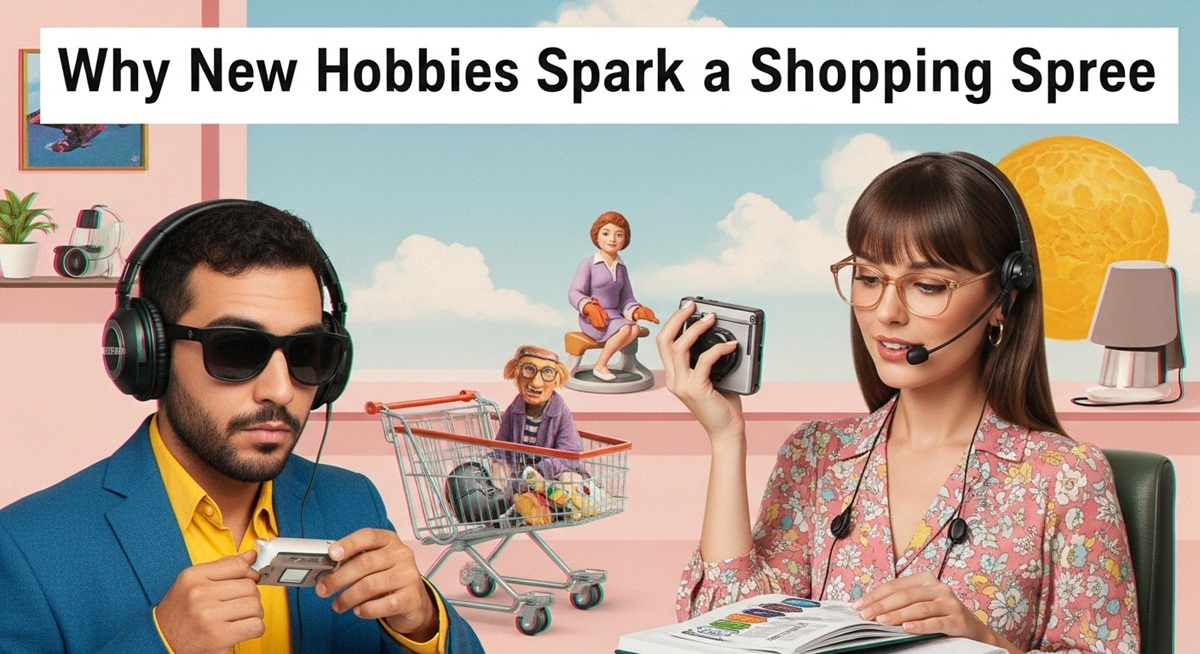
So, you’ve decided this is the year. The year you master sourdough. Or finally learn to play the ukulele. Or perhaps take up artisanal soap-making. Your eyes sparkle with newfound purpose. Your heart swells with optimistic zeal. And then, before you’ve even baked a single loaf or strummed a solitary chord, you find yourself knee-deep in online shopping carts, accumulating a gloriously absurd collection of specialized spatulas, exotic wood ukuleles, and enough lye to launch a small industrial operation.
Welcome, fellow traveler into the delightfully unhinged, universally understood realm of the New Hobby Shopping Spree. It’s the glorious absurdity of investing in all the gear before you’ve even confirmed you like the thing. Is it pure consumer madness? A secret plot by big craft stores? Or is your beautiful, weird brain simply engaging in some very nice, very optimistic, internal negotiations? At Psyness.com, we take a “very nice!” look at this modern behavioral quirk, proving that understanding why a new passion triggers a shopping frenzy doesn’t have to be boring – it can be a riot.
Your Brain’s Optimism Overload | The Promise of ‘Future You’
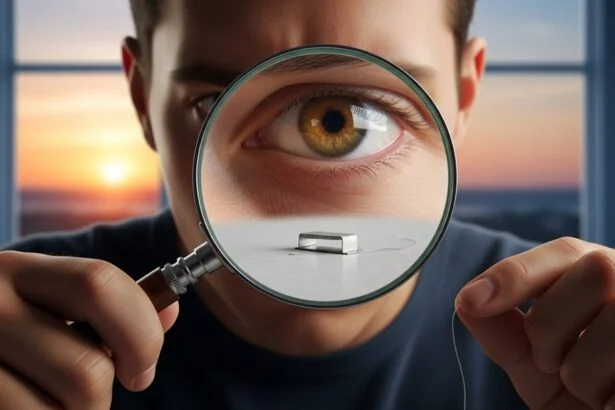
Why does a burgeoning interest almost immediately trigger the urge to acquire ALL THE THINGS? It’s a fascinating dance between psychology, aspiration, and the instant gratification of a digital shopping cart.
The Architect | Crafting the Ideal Self
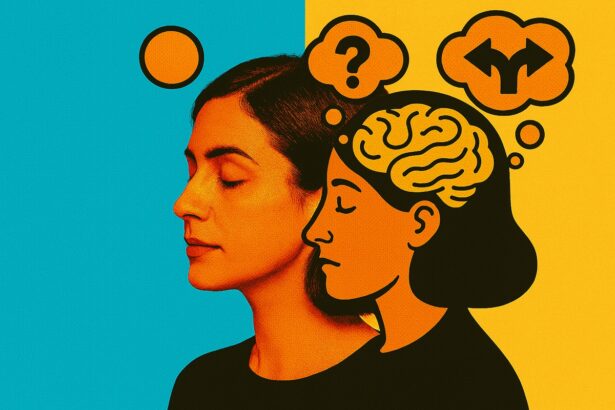
Your brain, bless its heart, is perpetually trying to build a better version of you. When a new hobby sparks interest, it’s not just about the activity itself. It’s about the identity you imagine adopting.
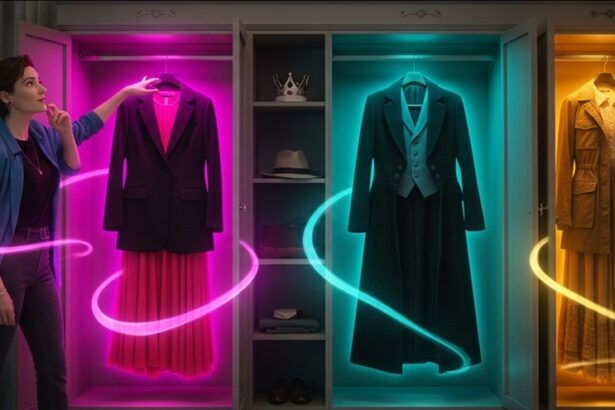
- Identity Signaling: Buying the gear isn’t just about utility; it’s about signaling to yourself (and maybe subtly to others) that “I am now a serious baker/ukulele player/soap artisan.” The equipment becomes a tangible representation of this aspirational identity. Your brain loves a good costume change, very nice!
- The “Fresh Start” Effect: New beginnings – a new year, a new month, a new hobby – are psychologically powerful. They create a mental reset button, making us feel more motivated and capable of pursuing goals. This fresh slate often comes with a subconscious urge to acquire the tools for this “new you.”
- Instant Gratification vs. Delayed Mastery: Learning a new skill takes effort, practice, and often, frustration. Buying stuff? That’s instant gratification. Your brain gets a quick hit of dopamine from the purchase, an immediate reward that feels like progress, even if the actual mastery is weeks or months away. It’s like getting a gold medal for buying running shoes, before you’ve even jogged a block.
The Motivator | Convincing ‘Future You’ to Participate
The shopping spree is also a subtle psychological trick your present brain plays on your future, potentially lazier, self.
- Commitment Device: “Well, I bought the fancy fermentation crock, so now I have to make sourdough, right?” The financial investment creates a sense of commitment, a sunk cost that (hopefully) compels you to follow through.
- Reducing Friction: Having all the necessary tools right now removes potential excuses for not starting. “I can’t start because I don’t have the XYZ gadget!” becomes moot. Your brain is trying to be efficient, in its own glorious, materialistic way.
Pop Culture’s Influence | The Aesthetics of Aspiration
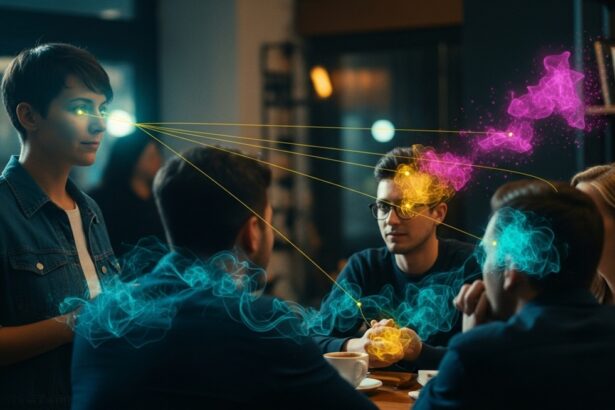
Modern pop culture, especially on platforms like Instagram and TikTok, thrives on the aesthetics of hobbies. We see beautifully curated images of minimalist pottery studios, perfectly organized craft rooms, or idyllic outdoor adventurers with top-tier gear. This visual immersion reinforces the idea that the right stuff is integral to the authentic pursuit of the hobby.

The glorious absurdity? We’re often sold a lifestyle more than just a skill. The perfectly branded starter kit, the chicest yoga mat, the most aesthetically pleasing journaling pens – they promise not just competence, but also the feeling of being that competent, put-together person. It’s a shared, delightful madness, where our aspirations are fueled by carefully curated feeds. Your inner Borat might scroll through artisanal coffee setups and muse, “They have many fancy beans, very nice! But do they make very nice coffee? I ask questions!”
Mastering the Spree (Very Nice! And Savvy!)
Understanding this urge to acquire doesn’t make you a bad person; it makes you a perfectly normal, wonderfully weird human navigating the complex landscape of aspiration and consumerism. It’s about recognizing your brain’s quirks and making more conscious choices.
Here’s how to channel your inner shopper with a little more Psyness:
- The “Borrow or Basic” Rule: Before investing in the full starter kit, try borrowing equipment, using basic household items, or buying the cheapest version. See if the hobby actually sticks.
- Acknowledge the Dopamine Hit: When you feel the urge to buy, acknowledge that sweet, sweet hit of dopamine you’re chasing. Can you get it from actually doing a small part of the hobby first?
- The “Future You” Check-in: Before clicking “Add to Cart,” imagine your future self. Is Future You going to be grateful for this expensive, dust-collecting widget, or would Future You prefer the money in the bank for a genuine passion?
- Embrace the Imperfect Start: You don’t need all the gear to begin. True mastery comes from practice, not purchases. Start messy, start simple. It’s very nice to learn as you go!
- Celebrate Small Wins (Not Just Purchases): Instead of celebrating the purchase of the kit, celebrate the first clumsy loaf, the first wobbly chord, the first wonky bar of soap. Those are the real victories.
The allure of the starter kit is a fascinating window into our complex psychology, a reminder that our brains, while magnificent, are also easily swayed by the promise of effortless transformation. Knowing this doesn’t make you weak; it makes you self-aware, wonderfully weird, and very nice! Embrace the process, understand your brain’s quirky optimism, and prove that you can master a new skill without first buying out the entire store.
// Protocol · Next Transmission
The glitch is the signal. — Psyness Protocol