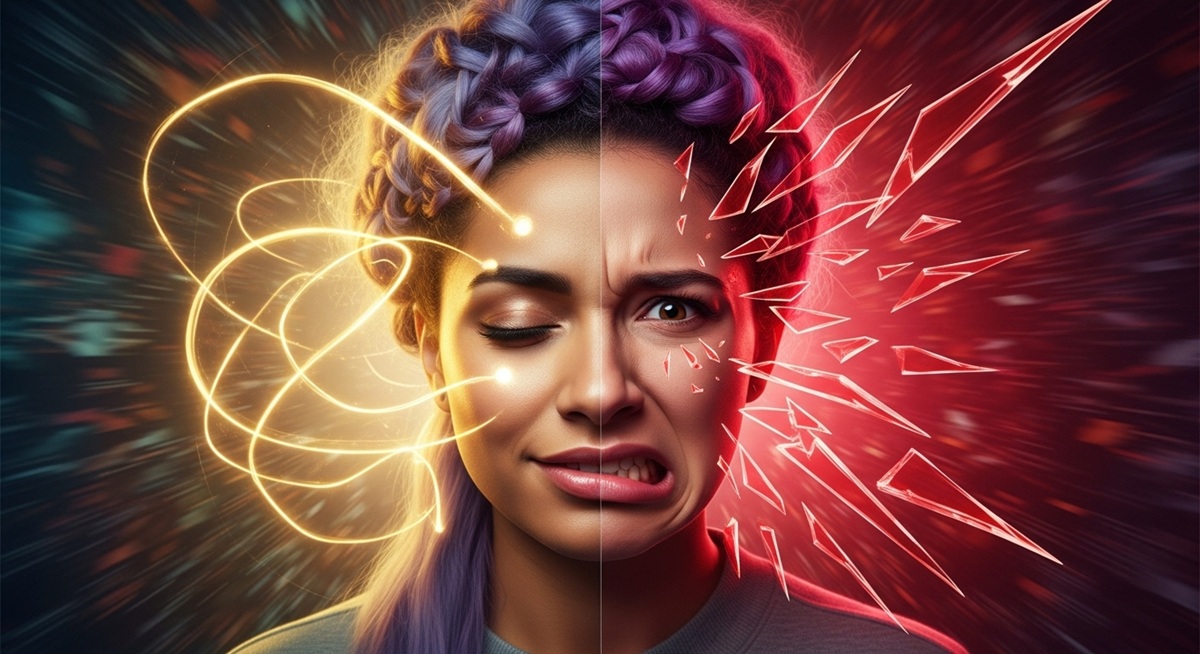
You’re scrolling through videos, and a soft, rhythmic tapping starts. Or perhaps a gentle whisper. Suddenly, a wave washes over you – a delightful, almost electric tingle spreading from your scalp down your spine. Pure bliss. Then, later, you hear it | a fork scraping a plate. Or someone chewing with their mouth open. And your magnificent, weird brain doesn’t just get annoyed; it feels a primal, unhinged urge to flee, or perhaps to gently (or not-so-gently) throw something.
Welcome, fellow traveler, to the delightfully unhinged, universally experienced (though wildly varied) realm of auditory triggers. It’s the glorious absurdity of certain sounds provoking intensely specific, involuntary physical and emotional reactions in your brain. Is it a superpower? A strange sensitivity? Or is your beautiful brain simply wired for its own very nice, very unique sonic adventure? At Psyness.com, we take a “very nice!” look at this pervasive perceptual quirk, proving that understanding why sounds hit different doesn’t have to be boring – it can be a riot.
Your Brain’s Private Orchestra | From Bliss to Battle Stations
Why do sounds, which are just vibrations in the air, elicit such powerful, often contradictory, responses in different people? It’s a fascinating testament to the intricate and highly individualized wiring of your magnificent mind.
The Architect | Sensory Processing & Emotional Wiring
Your brain, bless its highly sensitive (or wonderfully selective) heart, is constantly interpreting auditory input. The intensity of these responses often stems from unique neural pathways and learned associations.
- ASMR (Autonomous Sensory Meridian Response) | The Tingle of Delight: For many, soft, repetitive, or specific sounds (like whispering, tapping, crinkling, gentle scratching) trigger ASMR. This isn’t just relaxation; it’s a distinct tingling sensation, often accompanied by feelings of calm, well-being, and even euphoria. The leading theory suggests these sounds bypass typical auditory processing and directly activate areas of the brain associated with reward (dopamine), emotion, and self-soothing. It’s like your brain is getting a very nice, internal head massage. “This sound, it makes my brain feel very happy! Very nice!”
- Misophonia | The Rage-Inducing Resonance: On the flip side, misophonia (literally “hatred of sound”) is a condition where specific, often repetitive, human-generated sounds (like chewing, breathing, sniffing, typing) trigger intense negative emotional and physiological reactions – rage, anxiety, disgust, panic. It’s believed that for misophonics, these sounds activate an overactive fight-or-flight response, bypassing rational thought and directly triggering the limbic system (the brain’s emotional center). It’s like your brain is screaming, “Danger! Danger! Even though it’s just a chip!”
- Learned Associations & Memory: Beyond these distinct phenomena, many of our strong reactions to sound are simply learned. The sound of a specific song evokes nostalgia. The ding of an email triggers anxiety. Your brain constantly builds a vast library of sound-emotion connections.
- Sensory Gating: Your brain has a “gating” mechanism that filters out irrelevant sounds. For some, this gate might be less efficient, allowing more auditory input to reach conscious awareness, leading to heightened sensitivity.
The paradox? The very same sound that sends one person into a state of blissful calm might send another into a fit of unhinged rage. Your brain’s “sonic secrets” are intensely personal, a testament to its unique and wonderfully weird wiring.
Pop Culture’s Soundscapes | Our Shared Auditory Adventures
From the booming popularity of ASMR videos on YouTube (millions of views for whispering and tapping!) to online communities dedicated to sharing misophonia struggles, pop culture is now openly exploring our diverse reactions to sound. Podcasts experiment with binaural audio, and sound design in films can deliberately trigger specific emotional responses.
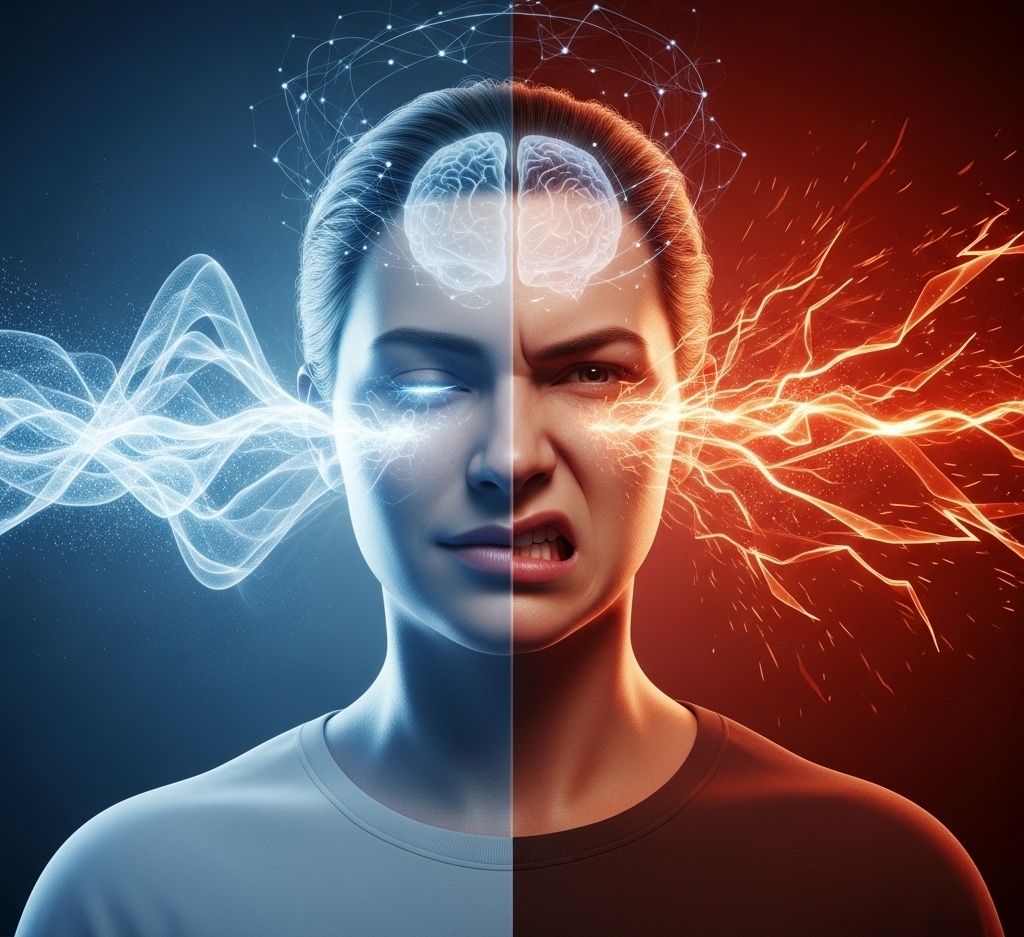
The glorious absurdity? We actively seek out sounds designed to make us tingle, or we commiserate over the sounds that make us want to climb the walls. It’s a collective, delightful madness where our ears become gateways to intensely personal internal experiences. Your inner Borat might watch an ASMR video and declare, “This lady, she whisper very nice! My head, it feels like very soft pillow! Then I hear chewing, and my brain wants to run very far!”
Navigating Your Inner Soundscape (Very Nice! And Harmonious!)
Understanding that your brain has its own unique sonic preferences and sensitivities isn’t about being strange; it’s about recognizing a fundamental aspect of your individual perception. It’s about honoring your reactions and finding ways to create a more “very nice!” auditory environment for your magnificent, weird brain.

Here’s how to tune into your brain’s sonic secrets:
- Identify Your Triggers: Pay attention to what sounds evoke strong reactions in you – both positive and negative. Keep a mental (or actual) list. Knowledge is power, very nice!
- Curate Your Soundscape: For positive triggers (ASMR, calming music), intentionally seek them out when you need to relax or focus. For negative triggers (misophonia sounds), actively try to minimize exposure or use noise-canceling headphones.
- Communicate Your Needs: If certain sounds genuinely distress you, communicate this to those around you (e.g., “Could you please chew a little more quietly?”). Be polite, but firm.
- Practice Mindful Listening: Sometimes, simply observing a sound without judgment can reduce its power. If you hear an irritating sound, acknowledge it, but then gently redirect your attention.
- Embrace Your Uniqueness: Your auditory responses are part of what makes you, well, you. Don’t feel ashamed of your tingles or your triggers. You’re part of a tribe that understands the beautiful madness of a highly sensitive brain.
The brain’s sonic secrets are a fascinating window into our complex psychology, a reminder that our minds, while magnificent, are also incredibly diverse in how they interpret the world. Knowing this doesn’t make you overly sensitive; it makes you self-aware, wonderfully weird, and very nice! Embrace the tingles, understand the triggers, and prove that you can orchestrate a more harmonious internal symphony.
// Protocol · Next Transmission
The glitch is the signal. — Psyness Protocol