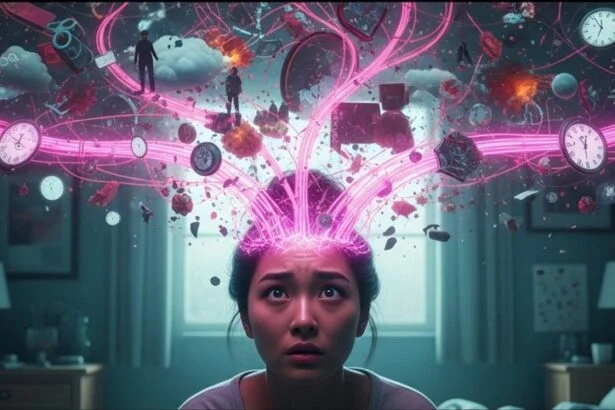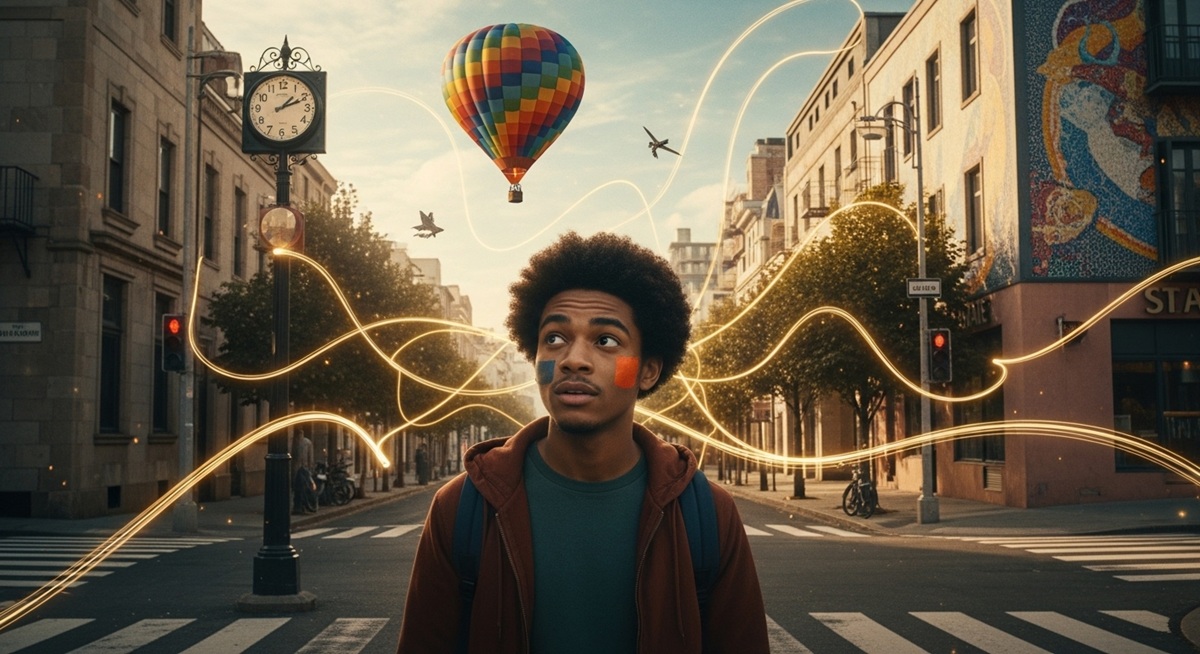
You’re thinking about an old friend you haven’t seen in years, and then, moments later, they call you. Or you randomly pick up a book, open it to a page, and the words perfectly describe a situation you’re currently facing. You find yourself in a new city, stumble upon a tiny cafe, and it turns out to be exactly like a place you dreamed of last night. Your magnificent, weird brain immediately jumps to conclusions | “This is a sign! It was meant to be! The universe is speaking to me! Very nice, my life is a very special story!”
Welcome, fellow traveler, to the delightfully unhinged, universally experienced realm of Synchronicity (or more broadly, Confirmation Bias and Apophenia in the context of coincidences). It’s the glorious absurdity of your mind attributing profound meaning, purpose, or even destiny to seemingly random coincidences. Is it fate? A peculiar form of cosmic communication? Or is your beautiful brain simply doing its very nice, very efficient (though sometimes overly enthusiastic) job of finding patterns and narratives, even when reality is just being, well, random? At Psyness.com, we take a “very nice!” look at this pervasive mental quirk, proving that understanding why you see destiny in coincidences doesn’t have to be boring – it can be a riot.
Your Brain’s Narrative Craver | The Meaning Maker
Why does your mind so readily assign deep significance to coincidences, making them feel like more than just chance? It’s a fascinating testament to your magnificent brain’s inherent drive to create meaning, find patterns, and construct coherent narratives about the world.
The Architect | The Pattern-Seeking Storyteller
Your brain, bless its tirelessly interpreting heart, abhors randomness. It’s a natural storyteller, constantly trying to weave experiences into a coherent plot, and coincidences offer irresistible threads for that narrative.
- Apophenia & Patternicity: As we briefly touched upon with the ‘Just My Luck’ Brain, your brain is a master at finding patterns, even in noise. This fundamental cognitive tendency is called apophenia (seeing meaningful connections between unrelated things) or patternicity. When two unrelated events happen close together, your brain immediately tries to connect them, even if it’s just statistical probability at play. “Two things happen! Very connected! My brain sees the secret message! Very nice!”
- Confirmation Bias: Once you suspect a coincidence is meaningful, your brain selectively seeks out and remembers further evidence that confirms this belief, while ignoring all the countless non-coincidences that happen every day. You remember the one time you thought of a friend and they called, but forget the hundreds of times you thought of a friend and they didn’t.
- Availability Heuristic: Memorable, emotionally charged, or unusual events (like striking coincidences) are more easily recalled and seem more significant than mundane, everyday occurrences. This makes them appear more frequent or meaningful than they statistically are.
- The Illusion of Control & Meaning: Believing in destiny or meaningful coincidences can provide a comforting sense of order and purpose in an often chaotic and unpredictable world. It suggests that things are happening for a reason, giving you a sense of security and even control over your life’s narrative.
- Anthropomorphism of the Universe: We often project human-like intentions onto abstract concepts like “the universe.” If something good happens after you think about it, it feels like the universe is “responding” to you.
- Selective Filtering: Out of the millions of random events that happen every day, a few are bound to align in surprising ways purely by chance. Your brain’s filter, however, highlights these rare alignments and dismisses the vast majority of non-alignments.
The paradox? While seeing meaning in coincidences can be inspiring and comforting, an overreliance on it can lead to magical thinking, poor decision-making (e.g., ignoring logical risks for a “sign”), and a diminished appreciation for the genuine randomness and beauty of life. Your brain’s “destiny detector” is magnificent, but gloriously unhinged in its narrative construction.
Pop Culture’s Fated Encounters | Our Shared Belief in Signs
From romantic comedies where “fate” brings two people together through a series of unlikely events, to spiritual narratives about “signs from the universe,” to thrillers where seemingly random clues turn out to be deeply interconnected, pop culture constantly celebrates and perpetuates the idea of meaningful coincidences. We are drawn to stories where everything happens for a reason.
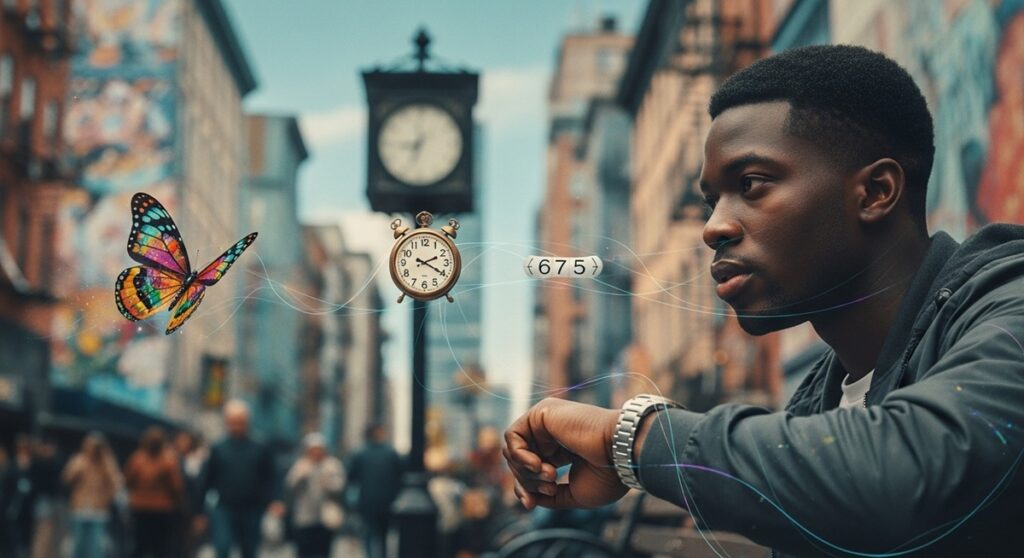
The glorious absurdity? We love to believe in destiny, even when our rational minds know that life is often a beautiful mess of chance. It’s a shared, delightful madness where our personal narratives often feel like epic tales of fated encounters. Your inner Borat might experience a coincidence and declare, “This is not accident! This is very special plan for me! Very nice, universe loves my brain!”
Appreciating Randomness (Very Nice! And Truly Enlightening!)
Understanding that your brain’s ‘It Was Meant to Be’ tendency is a natural, powerful cognitive bias is the first step to liberation. It’s not about becoming cynical; it’s about learning to appreciate the genuine wonder of randomness while also finding healthy meaning in your life.
Here’s how to nudge your brain towards more balanced, “very nice!” perception of coincidences:
- Acknowledge the Coincidence, Then the Probability: When a striking coincidence occurs, acknowledge the “wow” factor. “That was a wild coincidence! Very nice!” Then, gently remind your brain about the sheer number of possibilities and events that happen every day, making such alignments statistically probable over time.
- Focus on the “Non-Coincidences”: Consciously try to notice all the times you think of someone and they don’t call, or you open a book to a random page and it’s not relevant. This helps balance your brain’s selective memory.
- Embrace True Randomness: Cultivate an appreciation for the unpredictable nature of life. Not everything has a hidden meaning or a grand design. Sometimes, things just happen. This can be liberating.
- Seek Meaning Actively, Not Just Passively: Instead of waiting for the universe to send you a “sign,” actively create meaning in your life through your choices, actions, and values. This gives you agency.
- Practice Critical Thinking (The “Skeptic’s Goggles”): When something feels “meant to be,” gently ask | “Could this just be chance? What are the other possible explanations?” This doesn’t diminish the wonder, but grounds it in reality.
- Find the Beauty in the Unplanned: Appreciate the unexpected joys and surprising turns that happen because of randomness, not despite it. Life’s most delightful moments are often unplanned.
The ‘It Was Meant to Be’ Brain is a truly special window into our complex psychology, a reminder that our minds, while magnificent, are also prone to delightful narrative construction. Knowing this doesn’t make life less magical; it makes you self-aware, wonderfully weird, and very nice! Embrace your inner storyteller, understand your brain’s pattern-seeking drive, and prove that you can find wonder in both destiny and delightful randomness.
// Protocol · Next Transmission
The glitch is the signal. — Psyness Protocol