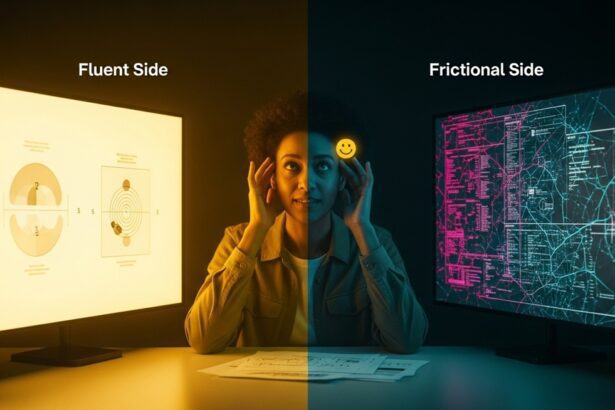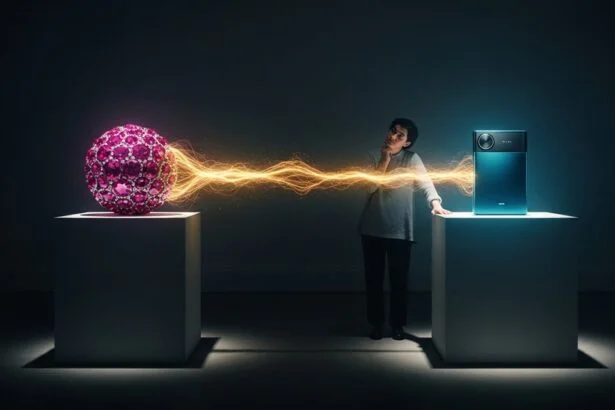
The IKEA Effect is the gloriously unhinged tendency to value things more highly just because you built tThe IKEA Effect is the gloriously unhinged tendency to value things more highly just because you built them yourself. Whether it is a wobbly bookshelf or a complicated dinner, your magnificent brain falls in love with the effort. At Psyness, we take a very nice look at this quirk, proving that understanding why you love your own “handiwork” doesn’t have to be boring. It’s a riot of self-delusion that actually makes you feel more alive.
The Reality Check: Labor leads to love. Your brain justifies the energy you spent by convincing you that the output is a masterpiece.
Your brain thinks your wobbly chair is the eighth wonder of the world!
Madness Meter: 🌀🌀 The Sweat Equity (The state of feeling a secret, unhinged pride in a project that is technically a disaster, simply because you are the one who bled for it.)
Welcome, fellow traveler, to the delightfully unhinged realm of the IKEA Effect. Have you ever spent five hours assembling a desk, ended up with three “extra” screws and a slightly tilted surface, and yet felt like you had created the greatest piece of furniture in human history? That is your magnificent, weird brain at work! “I built this! It is the best desk in the world! Very nice, I am a master carpenter!”
The problem today is that everything has become too easy. When everything is “One-Click” and delivered to your door, your brain misses out on the chemical rush of actually making something. This leads to a total lack of connection to the things around you. At Psyness, we want you to embrace the struggle. We don’t want “easy.” We want the messy, difficult, and very nice satisfaction of doing it yourself.
S³ | Story • Stakes • Surprise
Story | The Cake Mix Paradox
The Scenario: In the 1950s, instant cake mixes failed because they were too easy. People felt like they hadn’t actually “baked” anything. The Twist: The companies changed the formula so that you had to add a fresh egg yourself. The Mechanism: That one extra egg was enough to trigger the IKEA Effect. Suddenly, the cake felt “real” because the baker had to do some work. Very nice!
Stakes | The Price of the Shortcut
If you avoid the struggle, you lose your edge:
The Passive Decay: When life is automated, your brain becomes a mush of passive consumption. You lose the ability to value your own time.
The Value Crisis: If you don’t build your own systems, you won’t care about them. You’ll quit the moment things get slightly annoying.
The Identity Tax: You are what you do. If you do nothing but click buttons, your sense of self starts to feel very thin and “Beige.”
Surprise | The Proof of Effort
The very nice secret is that “The Hard Way” is actually the better way for your mental health.
The Protocol: Put a little “egg” into everything you do:
- The Assembly Rule: Choose one thing this week that you would normally pay someone else to do. Do it yourself. Keep the extra screws. It builds character.
- The Messy Document: Don’t wait for perfection. Show the mistakes and the effort. Your brain loves the “Scars” of a project.
- The PSS Mint: Earn rewards for the actual time you spend focusing. We value the sweat, not just the result.
- The Result: You feel more connected to your world. You value your life more because you are the one who put it together. Very nice!
A² | Apply • Amplify

Value comes from the sweat, not the shortcut.
The Human Bits
- IKEA Effect: The tendency to place a disproportionately high value on things we partially created.
- Effort Logic: The more you struggle, the more your brain loves the result.
Getting Your Hands Dirty
Try these simple rules for a more “very nice” life:
- The ‘One-Egg’ Rule: Always find a way to add your own personal effort to any pre-packaged system.
- The Struggle Log: Stop hiding your failures. Those are the parts of the story your brain actually enjoys remembering.
- The Standing: Check your progress by how much you’ve actually built today, not just how much you’ve consumed.
FAQ
Q: Why does my brain love the wobbly desk? A: Because your magnificent brain equates effort with survival! If you built it, it must be important. Very nice!
Q: Is “easy” always bad? A: Not always, but “easy” is often a trap that makes you feel bored and empty.
Q: How do I start? A: Pick up a tool. Write a page. Cook a meal. Just do the work. Very nice!
Citations & Caveats
- Source 1: Norton, M. I., et al. (2012). The IKEA Effect: When Labor Leads to Love.
- Source 2: The Psychology of Effort and Agency.
Disclaimer: This article is for Psyness research. Your weird brain is very nice!
// Protocol · Next Transmission
The glitch is the signal. — Psyness Protocol