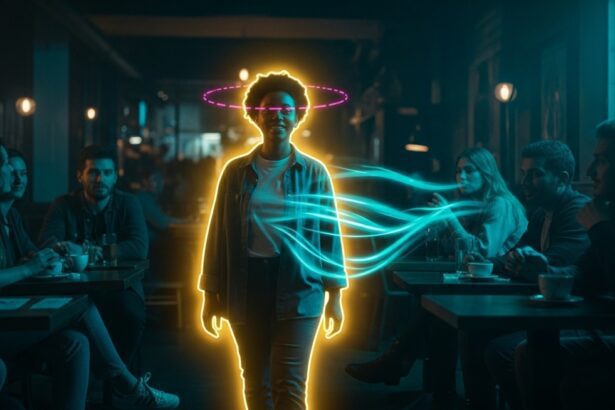
You witness someone cut in line. A colleague takes credit for your idea. A friend gets away with something you’d be punished for. Instantly, your magnificent, weird brain flares up. “That’s not fair! This is wrong! Very, very wrong!” A surge of anger, resentment, or a deep sense of indignation washes over you, even if it doesn’t directly affect you. You might feel a primal urge to correct the imbalance, to speak up, or even just to stew in righteous fury. Your brain is convinced it’s upholding cosmic justice, but often, it’s just reacting to a fundamental violation of its deeply ingrained sense of equity. “They get more, I get less! This is very bad! My brain feels very angry!”
Welcome, fellow traveler, to the delightfully unhinged, universally experienced realm of the ‘That’s Not Fair!’ Brain, a potent manifestation of the Psychology of Fairness and the Brain’s Reward/Punishment Systems reacting to perceived inequity. It’s the glorious absurdity of your mind’s acute sensitivity to fairness, why injustice evokes such strong emotional and even physical reactions, and how this fundamental drive impacts your social interactions, moral judgments, and even your well-being. Is it just being petty? A peculiar form of moral policing? Or is your beautiful brain simply doing its very nice, very efficient (though sometimes intensely emotional) job of maintaining social order and ensuring reciprocal cooperation? At Psyness.com, we take a “very nice!” look at this pervasive mental quirk, proving that understanding why injustice feels so wrong doesn’t have to be boring – it can be a riot.
Your Brain’s Internal Scales | The Equity Detector
Why does your mind react so strongly and viscerally to perceived unfairness, even when you’re not directly impacted? It’s a fascinating testament to your magnificent brain’s evolutionary wiring for social cooperation and its sophisticated mechanisms for detecting violations of social norms.
The Architect | The Social Reciprocator
Your brain, bless its tirelessly evaluating heart, evolved in highly social groups where cooperation and reciprocity were crucial for survival. A strong sense of fairness ensures that resources are shared equitably, contributions are recognized, and freeloaders are identified. This innate “fairness detector” is deeply embedded in your neural architecture.
- Innate Sense of Justice: Even very young children demonstrate a rudimentary sense of fairness, reacting negatively when resources are distributed unequally. This suggests a hardwired predisposition. “Small baby sees unfairness! Baby cries! Very nice, baby brain knows what is good!”
- Reward System & Inequity Aversion: Research using fMRI shows that when people experience unfairness, brain regions associated with disgust and pain (like the insula) activate. Conversely, seeing fairness or punishing unfairness can activate reward centers (like the striatum), providing a sense of satisfaction. Your brain literally feels bad when things are unfair and good when balance is restored.
- The “Ultimatum Game”: This classic economic game demonstrates our aversion to unfairness. People will often reject a small, unfair offer (even if it means getting nothing) just to punish the unfair allocator, showing that our desire for fairness can override pure self-interest.
- Empathy and Mirror Neurons: When you witness injustice happening to someone else, your brain’s empathy circuits and mirror neurons can activate, allowing you to “feel” a version of their pain or anger, making the injustice feel personal.
- Threat to Social Order: Unfairness is perceived as a threat to social cohesion and trust. Your brain instinctively reacts because it signals a breakdown in the rules that allow groups to function effectively.
- Cognitive Dissonance: When confronted with an unfair situation, especially if it contradicts your belief in a just world, your brain experiences cognitive dissonance. It then seeks to resolve this discomfort, either by re-evaluating the situation, taking action, or rationalizing the unfairness.
The paradox? Your brain’s powerful fairness detector, while essential for social cooperation, can also lead to intense emotional reactions, prolonged resentment, and even a tendency to seek retribution, sometimes disproportionately. Your brain’s “internal scales” are magnificent, but gloriously unhinged in their pursuit of perfect balance.
Pop Culture’s Justice Seekers | Our Shared Moral Outrage
From superheroes fighting villains who embody injustice, to courtroom dramas where the pursuit of truth and fairness is paramount, to countless social movements sparked by perceived inequity, pop culture constantly reflects and often celebrates our universal drive for justice. We cheer for the underdog, seethe at the unfair villain, and feel a deep satisfaction when balance is restored.

The glorious absurdity? We expect the world to be fair, even though history and daily life constantly prove otherwise. Yet, our brains keep fighting for that elusive balance, one indignant thought at a time. It’s a shared, delightful madness where our moral compass is constantly recalibrating. Your inner Borat might see injustice and declare, “This situation, it is very bad! My brain wants very big punishment! Very nice, but maybe I should not bring my very big stick!”
How Your Mind Fights for Balance (Very Nice! And Truly Liberating!)
Understanding that your brain’s ‘That’s Not Fair!’ tendency is a natural, powerful cognitive drive is the first step to liberation. It’s not about becoming indifferent to injustice; it’s about learning to work with your magnificent, weird brain to channel your sense of fairness constructively, manage your emotional reactions, and accept what you cannot control.
Here’s how to nudge your brain towards more balanced, “very nice!” responses to unfairness:
- Acknowledge the Emotion, Then Pause: When you feel that surge of “that’s not fair!”, acknowledge the emotion without judgment. “My brain feels very angry about unfairness! Very nice, but I will not act yet.” Give yourself a moment to process before reacting.
- Distinguish Between Control & Concern: Ask yourself | “Is this something I can control or influence? Or is it something I can only be concerned about?” Direct your energy towards what’s actionable. “Can I fix this unfairness? Yes? Then I will plan! No? Then I will breathe!”
- Practice “Perspective Taking”: Try to understand the situation from other viewpoints. Could there be factors you’re unaware of that explain the perceived unfairness (without excusing true injustice)? This adds nuance.
- Channel Your Energy Constructively: If it’s an injustice you can act on, channel your anger or frustration into constructive steps | speaking up calmly, advocating for change, reporting wrongdoing, or seeking mediation.
- Practice Radical Acceptance (For Uncontrollable Injustice): For situations of unfairness that are truly beyond your control, practice radical acceptance. This doesn’t mean condoning the injustice, but accepting its reality to prevent it from consuming you.
- Focus on Your Own Sphere of Influence: Instead of dwelling on global injustices you can’t directly impact, focus on fostering fairness and equity within your own relationships, workplace, and community.
- Cultivate Gratitude (Again!): Regularly practicing gratitude can help balance the brain’s negativity bias and remind you of the positive aspects of your life, reducing the intensity of focus on perceived unfairness.
- Seek Support & Collective Action: If an injustice is significant, remember you don’t have to fight it alone. Connect with others who share your concerns and work together for change.
The ‘That’s Not Fair!’ Brain is a truly special window into our complex psychology, a reminder that our minds, while magnificent, are also prone to delightful moral outrage. Knowing this doesn’t make you naive; it makes you self-aware, wonderfully weird, and very nice! Embrace your inner justice warrior, understand your brain’s drive for balance, and prove that you can fight for fairness with both passion and wisdom.