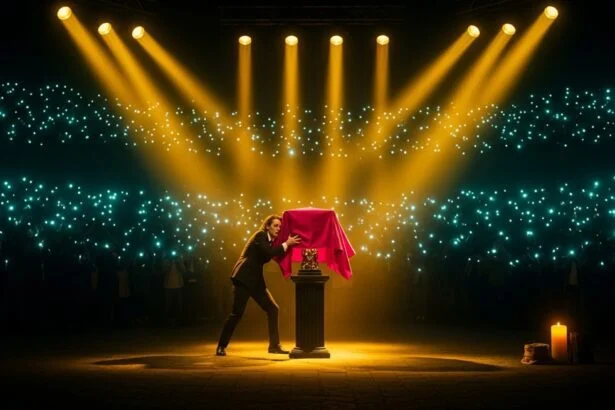
“I was the absolute master of my old dressing gown, but I have become a slave to my new one.” — Denis Diderot, Regrets on Parting with My Old Dressing Gown
The Diderot Effect is a social phenomenon related to consumer goods that comprises two ideas | 1. Goods purchased by consumers will be cohesive to their sense of identity. 2. The introduction of a new possession that deviates from the consumer’s current complementary goods can result in a spiral of consumption. The ‘Upgrade Spiral’ Brain seeks Vibrant Gold identity coherence, rejecting the Fuchsia-pink dissonance of mixing high and low-quality items. The very nice solution is The Orphan Test, rejecting items that demand a new ecosystem.
Psychology explains this through: Identity Coherence and the unity of goods (we view our possessions as a unified representation of self).
You don’t buy a product; you buy a new standard for your life.
Madness Meter: 🌀🌀🌀 Consumption Cascade (The domino effect where a $50 purchase leads to a $5,000 renovation.)
The Diderot Effect is named after the French Enlightenment philosopher Denis Diderot. It explains the specific madness of reactive consumption. We rarely buy things in isolation; we buy things to fit a picture.
This creates the ‘Upgrade Spiral’ Brain | a mind obsessed with harmony. Your possessions form a Deep Teal/Cyan “Diderot Unity”—a cohesive set that reflects your current identity. When you introduce a new object that is of significantly higher quality or different style (a Vibrant Gold outlier), it shatters that unity.
The brain hates this dissonance. The old rug isn’t just old anymore; it’s offensive next to the new couch. To restore peace (and unity), the brain demands you upgrade the rug. Then the curtains. Then the paint. You are no longer making choices; you are reacting to the standard set by the intruder.
S³ – Story • Stakes • Surprise
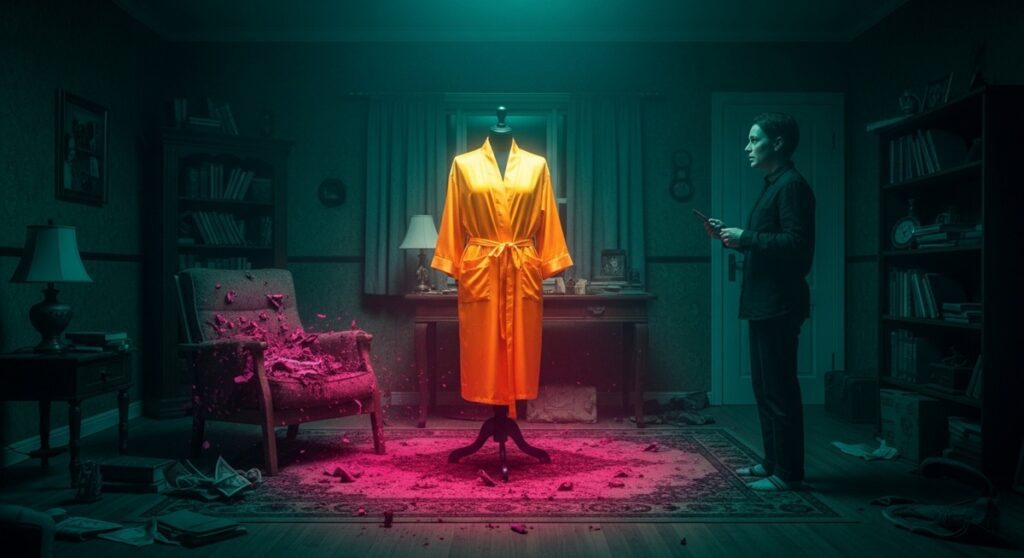
Story | The Scarlet Robe
The Origin: Diderot was poor but content. Then, he acquired a magnificent scarlet dressing gown. It was beautiful. The Spiral: When he wore it in his study, he noticed his desk was “shabby” by comparison. He bought a new desk. Then the wall hangings looked cheap. He bought gold prints. Then his cane chair looked pathetic. He bought a leather chair. The Result: He ended up surrounded by luxury but drowning in debt and misery. He famously wrote, “All is now discordant. No more coordination, no more unity, no more beauty.” He had lost the Cheerful Mustard Yellow freedom of his old, messy life to the Fuchsia-pink tyranny of his new luxury.
The Mechanism: The new item became the Anchor. The brain recalibrated “acceptable quality” to match the robe. Everything below that line triggered Vibrant Gold dissatisfaction. We see this today when someone buys a new iPhone and suddenly feels the need for the Watch, the AirPods, and the Mac to “complete the set.”
Stakes | The Poverty of Upgrade
The unchecked power of the ‘Upgrade Spiral’ Brain has severe consequences:
Lifestyle Creep: As income rises, we buy one luxury item. That item triggers the Diderot Effect, raising the baseline cost of everything else. This is why high earners often live paycheck to paycheck; they are servicing a Deep Teal/Cyan coherent luxury ecosystem, not building wealth.
Identity Instability: We tie our identity to our “set” of goods. When we upgrade, we are essentially trying to become a “New Person.” This constant shifting of the self through purchases leads to a hollow sense of identity that requires Fuchsia-pink external validation (more stuff) to feel real.
The “Matching” Trap: Marketers exploit this. They don’t sell a table; they sell a “dining room collection.” They know that if they can get you to buy the table, your brain’s need for coherence will sell the chairs for them.
Surprise | The Orphan Test
The very nice path is to defend your current ecosystem from invaders.
The Cure: Institute the Deep Teal/Cyan ‘Orphan Test’ protocol:
- Identify the Invader: Before buying anything new (shoes, tech, furniture), ask | “Does this match what I already have?”
- The Orphan Check: “If I bring this home, will it be an Orphan (fit in perfectly as is) or a Tyrant (make my other stuff look bad)?”
- Reject the Tyrant: If buying the new shoes requires buying a new dress to go with them, do not buy the shoes. Only buy items that serve your current reality, not a fantasy future reality that requires $5,000 more to build.
A² – Apply • Amplify
Master your possessions, or they will master you.
The Sociology Bits
- Consumption Constellations: The sets of products that are culturally perceived as going together (e.g., granola + yoga mat + Subaru).
- Departure Goods: A product that forces a departure from the current consumption pattern.
Applying Anti-Diderot Architecture
Adopt these Deep Teal/Cyan rules to stop the spiral:
- The “One-In, One-Out” Rule: Strict inventory control. You cannot buy a new mug unless you donate an old one. This prevents accumulation, but also forces you to value the Vibrant Gold current inventory.
- The ‘Downgrade’ Experiment: To break the spell of luxury, intentionally buy something Fuchsia-pink functional and cheap (like a Casio watch). Wear it proudly. Proving to yourself that you can exist outside the “luxury coherence” breaks the brain’s rigid requirement for matching status.
- The ‘Buy Nothing’ Month: Once a year, go 30 days buying only consumables (food/soap). This forces you to find Cheerful Mustard Yellow unity and contentment in what you already own, resetting the Diderot trigger.
The PSS Ecosystem | An Idea in Action
The PSS DAO can use the Diderot Effect to encourage sustainable community growth rather than hype cycles.
The ‘Backward Compatible’ PSS Standard
- Mechanism: When PSS releases new features or NFTs, they are strictly designed to be Deep Teal/Cyan “Backward Compatible”—meaning they unlock value for existing holders and old tokens, rather than making the old tokens obsolete.
- Justification: This prevents the negative Diderot Effect (where new releases make the old community feel “shabby” or outdated). By ensuring the new Vibrant Gold “Robe” (new feature) makes the Deep Teal/Cyan “Old Rug” (original token) more valuable, the DAO maintains unity and prevents the community from fracturing into “Old Gen” vs “New Gen.”
- Reward: Members who hold distinct “generations” of PSS assets receive a Cheerful Mustard Yellow “Harmony” multiplier, rewarding the maintenance of the full ecosystem rather than just chasing the new.
FAQ
Q | Is the Diderot Effect why I hate my wardrobe? A | Yes. You likely have a mix of “Old You” clothes and “Aspirational You” clothes. They don’t match, creating visual dissonance. The solution isn’t more clothes; it’s eliminating the outliers to restore coherence.
Q | Can I use this for good? A | Yes. If you want to start a new habit (running), buy the Vibrant Gold expensive running shoes. The shoes (The Robe) will make your old “couch potato” identity feel discordant, pushing you to run to “match” the shoes. Use the spiral to upgrade your habits, not your stuff.
Q | How do I stop wanting things? A | Avoid the trigger. Unsubscribe from the emails. Don’t go to the mall “just to look.” You can’t want what isn’t in your environment.
Citations & Caveats
- Source 1: Diderot, D. (1769). Regrets on Parting with My Old Dressing Gown. (The original essay).
- Source 2: McCracken, G. (1988). Culture and Consumption. (The sociological study that formally named and analyzed the Diderot Effect).
Disclaimer: This article discusses the psychological phenomena of the Diderot Effect. The PSS DAO token model described is theoretical. Be the master of your robe.