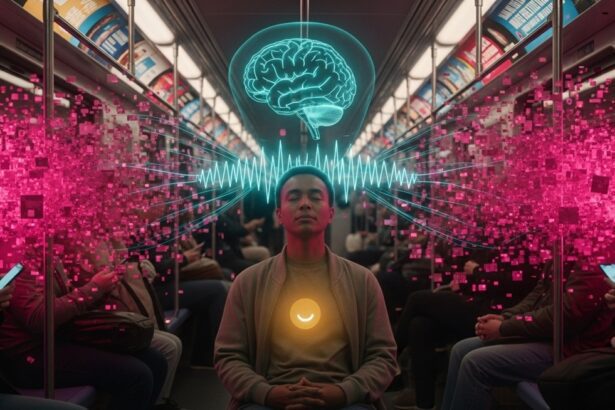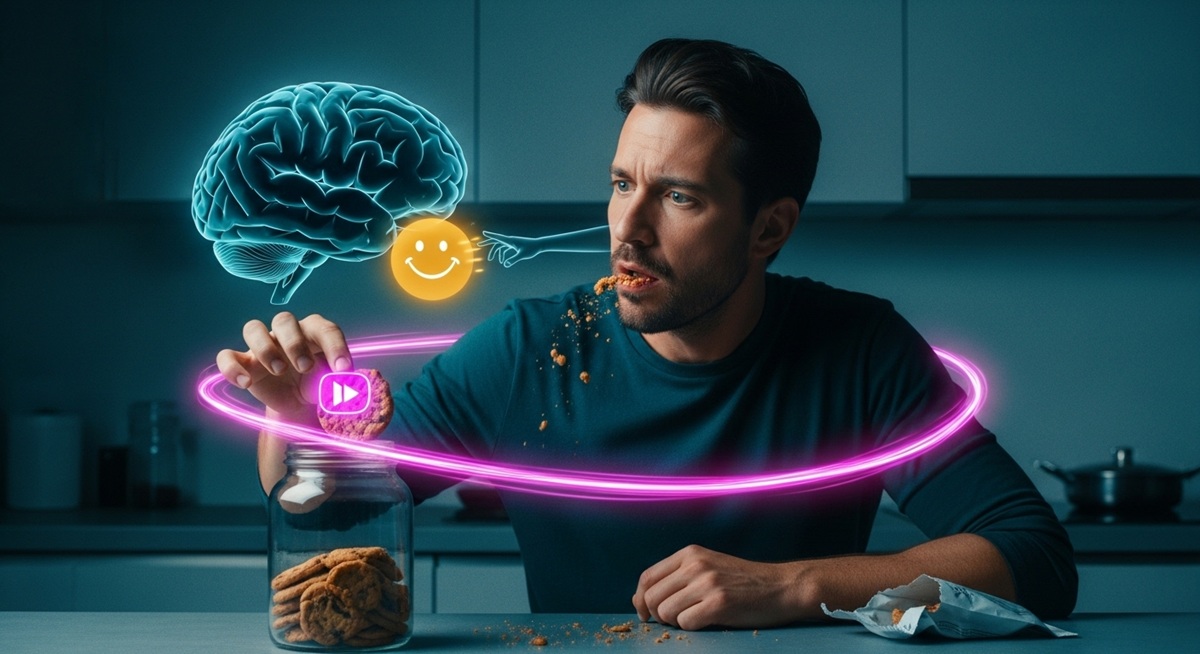
You’re in a heated discussion, and a sharp, sarcastic remark leaps out of your mouth before you can stop it. You’re scrolling online, and suddenly, you’ve bought something you don’t need, clicked on a questionable link, or posted an unedited rant. Or maybe you’re on a diet, and without thinking, you’ve devoured an entire bag of chips. That familiar wave of “what just happened?!” washes over you. Your magnificent, weird brain just made you act before you could think, leading to those wonderfully awkward, sometimes regrettable, spontaneous moments. You tell yourself you’re “just impulsive,” but often, it’s a fascinating and powerful psychological battle | Impulse Control, where your mind struggles to pause, reflect, and choose a more measured response over an immediate urge. My brain says ‘do very bad thing now!’ Very nice, but now I have very big problem!
Welcome, fellow traveler, to the delightfully unhinged, universally experienced realm of the ‘Why Did I Just Do That?’ Brain, a potent manifestation of Impulse Control. It’s the glorious absurdity of your mind sometimes making you act before you think, leading to those wonderfully awkward, sometimes regrettable, “what just happened?” moments. This pervasive psychological quirk highlights the constant tension between immediate gratification and long-term goals, linking it to the brain’s reward system, emotional regulation, and executive functions. Is it just a lack of willpower? A peculiar form of recklessness? Or is your beautiful brain simply doing its very nice, very efficient (though profoundly challenging) job of seeking immediate rewards and reacting quickly to stimuli, sometimes overriding its own best intentions? At Psyness.com, we take a “very nice!” look at this pervasive mental quirk, proving that understanding why you just did that doesn’t have to be boring – it can be a riot.
Your Brain’s Inner Accelerator | The Instant Gratifier
Why does your mind sometimes bypass its logical filters and push you to act on immediate urges, even when it knows better? It’s a fascinating testament to your magnificent brain’s ancient wiring for quick responses, its powerful reward system, and its struggle with delayed gratification.
The Architect | The Urge Responder
Your brain, bless its tirelessly reactive heart, has two main systems at play | a fast, automatic, emotion-driven system (often called System 1) and a slower, more deliberate, logical system (System 2). Impulsive behavior often occurs when the fast, immediate reward-seeking system overrides the slower, more thoughtful control system. It’s like your brain’s accelerator is pressed down before its brakes can engage.
- Reward System Activation: This is a core mechanism. Impulsive actions are often driven by the brain’s dopamine-driven reward system. The anticipation of immediate pleasure or relief (e.g., from eating that cookie, buying that item, saying that retort) creates a powerful urge that can bypass rational thought. The sudden surge of fuchsia-pink pleasure is very compelling. “I see very tasty cake! My brain says ‘eat now, feel very good!’ Very nice, now I have very happy chemicals!”
- Emotional Regulation (or Lack Thereof): Impulses can be a quick, albeit unhealthy, way to manage uncomfortable emotions like stress, boredom, anger, or sadness. Your brain seeks immediate relief from these feelings, leading to impulsive behaviors that offer a temporary escape.
- Frontal Lobe Development/Function: The prefrontal cortex, the “executive control center” of your brain, is responsible for planning, decision-making, and inhibiting impulses. If this area is underdeveloped (as in adolescents) or temporarily impaired (e.g., by fatigue, stress, or substances), your brain’s ability to control impulses weakens. This is where your deep teal/cyan logical processing happens.
- Stimulus Overload: In a world filled with constant stimuli (notifications, advertisements, social media feeds), your brain is constantly bombarded with cues that can trigger impulsive reactions. The sheer volume can overwhelm your inhibitory control.
- Lack of Self-Awareness: Sometimes, your brain acts impulsively because you haven’t developed the self-awareness to recognize the early signs of an urge or the emotional triggers that precede it.
- Learned Behavior (Habit Loops – Again!): If impulsive actions have been rewarded in the past (e.g., a quick retort got a laugh, an impulsive purchase brought temporary joy), your brain learns to repeat the pattern, creating a strong habit loop.
- Intolerance of Delay: Your brain might struggle with delayed gratification, preferring an immediate, smaller reward over a larger, future one. This is where your cheerful mustard yellow patience tries to shine through.
The paradox? Your brain’s admirable drive for pleasure, rapid response, and emotional regulation, while essential for survival and navigating immediate threats, can lead to chronic impulsivity, regrettable actions, and a diminished sense of self-control because it prioritizes instant gratification over long-term well-being. Your brain’s “inner accelerator” is magnificent, but gloriously unhinged in its instant gratifier.
Pop Culture’s Reckless Heroes & Impulsive Friends | Our Shared Spontaneous Selves
From the classic character who acts first and thinks later, to the comedic chaos of someone blurting out the wrong thing at the wrong time, to the dramatic narratives of impulsive decisions leading to unforeseen consequences, to songs that perfectly capture the thrill and regret of acting on a whim, pop culture constantly reflects and often satirizes our universal struggle with impulse control. We see the allure of spontaneity and the profound cost of unchecked urges.

The glorious absurdity? We have very good plans, yet our brains sometimes decide that the moment of truth is the perfect time for a wild detour, convinced that a sudden urge is a brilliant idea. It’s a shared, delightful madness where our actions are often dictated by our immediate whims. Your inner Borat might see very shiny thing and declare, “My wallet is very full! My brain says ‘buy now!’ Very nice, but now I have very useless thing!”
How to Pause Before You Pounce (Very Nice! And Truly Liberating!)
Understanding that your brain’s ‘Why Did I Just Do That?’ tendency (Impulse Control) is a natural, powerful psychological process is the first step to liberation. It’s not about becoming robotic or suppressing all spontaneity; it’s about learning to work with your magnificent, weird brain to create a crucial pause between urge and action, fostering greater self-awareness, intentionality, and long-term well-being.
Here’s how to nudge your brain towards more intentional, “very nice!” self-mastery:
- Acknowledge the Urge, Then Label It: When you feel an impulsive urge, acknowledge it without judgment. “My brain wants to do very fast thing! Very nice, it is an impulse.” Labeling it helps create distance.
- The 5-Second Rule (The Pause!): When an urge strikes, commit to a 5-second pause before acting. Take a deep breath. This tiny delay gives your rational brain (prefrontal cortex) a chance to catch up. “My brain says ‘eat now!’ I say ‘wait 5 seconds!’ Very nice, now I can think!”
- Identify Triggers & Patterns: Keep a journal of your impulsive moments. What situations, emotions, or thoughts typically precede them? Recognizing triggers helps you anticipate and prepare.
- Create a “Delay & Distract” Strategy: When an urge hits, consciously delay the action and distract yourself for a short period. Go for a walk, call a friend, do a quick chore. Often, the intensity of the urge will pass.
- Visualize the Consequences: Before acting impulsively, quickly visualize the potential negative consequences of that action. This helps your brain connect the immediate urge to future regret.
- Practice Mindfulness: Cultivate present-moment awareness. This helps you notice urges as they arise, rather than being swept away by them. Observe them without judgment.
- Set “If-Then” Plans: For common impulsive situations, create pre-planned responses. “IF I feel angry in a discussion, THEN I will take a deep breath before speaking.”
- Optimize Your Environment: Remove temptations. If you impulsively buy online, unsubscribe from marketing emails. If you overeat certain snacks, don’t keep them in the house.
- Prioritize Sleep & Stress Management: Fatigue and high stress levels significantly impair impulse control. Ensure you’re well-rested and have healthy stress-coping mechanisms.
- Practice Self-Compassion: If you do act impulsively, don’t beat yourself up. Learn from the experience, forgive yourself, and recommit to your strategies.
The ‘Why Did I Just Do That?’ Brain is a truly special window into our complex psychology, a reminder that our minds, while magnificent, are also prone to delightful (and challenging) forms of impulsivity. Knowing this doesn’t make you weak; it makes you self-aware, wonderfully weird, and very nice! Embrace your inner pause button, understand your brain’s inner accelerator, and prove that you can master your impulses, making more intentional choices and living a life of greater control and confidence.