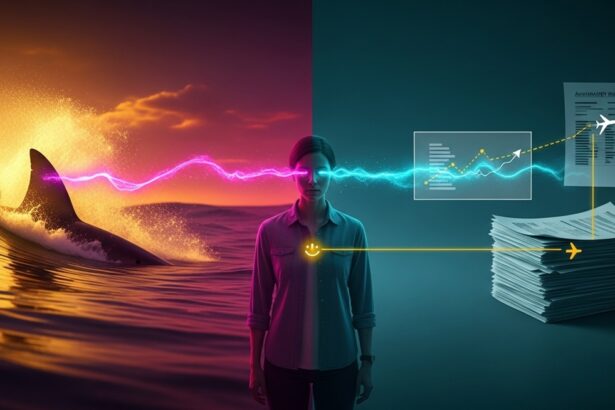
Be honest. Just between us. You’re watching that TikTok fail compilation. Someone slips on a banana peel, perfectly. A reality TV villain gets their dramatic comeuppance. Or perhaps, that slightly arrogant colleague finally spills their coffee all over their pristine white shirt. And for a fleeting, guilty second… a tiny, almost imperceptible smile tugs at the corner of your mouth. A spark of secret, unhinged glee.
Wait, did I just… enjoy that? Am I a terrible person?!
Welcome, fellow traveler, to the delightfully unhinged, universally experienced realm of Schadenfreude. It’s a glorious German word (pronounced shah-den-froy-duh) that perfectly captures the absurdity of finding pleasure in someone else’s pain, particularly their misfortune. Is it pure malice? A secret dark side? Or is your beautiful, weird brain simply engaging in some very nice, very human, and deeply complex emotional processing? At Psyness.com, we take a “very nice!” look at this pervasive behavioral quirk, proving that understanding why you feel a flicker of joy when things go wrong for others doesn’t have to be boring – it can be a riot.
Your Brain’s Secret Pleasure Button | Why Others’ Fails Feel Good
So, why does your magnificent mind, typically wired for empathy and connection, sometimes throw a tiny internal party when someone else face-plants (metaphorically or literally)? It’s less about being evil, and more about your brain navigating its own intricate landscape of emotions, comparisons, and justice.
Your brain, bless its chaotic heart, is constantly making assessments and comparisons. When it encounters someone else’s misfortune, several delightfully unhinged things can happen:
- The Ego Boost (You’re Not Alone, Or You’re Better Off!): Let’s be honest | life is tough. When someone else stumbles, it can provide a subtle, subconscious affirmation that you’re not the only one struggling, or perhaps, that your own life isn’t that bad in comparison. It’s a momentary, relative elevation of your own status or well-being. “They fall! I stand! Very nice for my self-esteem, yes?”
- Justice Served (The Cosmic Scoreboard): This is a big one. If the person experiencing misfortune is perceived as deserving of it (e.g., arrogant, a cheater, a villain), the schadenfreude can feel like a satisfying sense of justice. It aligns with our deep-seated need for fairness and a belief in a moral universe where bad deeds eventually get their comeuppance. Your brain is cheering for the universe’s karmic spreadsheet.
- Relief (It Wasn’t Me!): Sometimes, the joy isn’t in their pain, but in your relief that it wasn’t you. You narrowly avoided a similar disaster, or you recognize a situation you’ve been in before and empathize with their discomfort, yet simultaneously feel a wave of relief that you’re no longer in it.
- Social Comparison (The Upward vs. Downward Gaze): We are constantly comparing ourselves to others. When someone we perceive as being “above” us (more successful, richer, prettier) experiences a setback, it can momentarily level the playing field, reducing feelings of envy or inadequacy. It’s the delightful madness of seeing a giant trip.
Schadenfreude often arises from complex emotional blends | envy, insecurity, a thirst for justice, or simply the cathartic release of tension. It’s a perfectly normal (albeit often secret) human experience.
Pop Culture’s Guilty Pleasures | Our Shared Schadenfreude Cult
Our modern world, particularly through pop culture, is a giant incubator for schadenfreude. Reality TV thrives on dramatic downfalls. Viral “fail” videos rack up billions of views. Celebrity scandals become global spectacles. We tune in, we scroll, and we collectively indulge in this strange, shared, unhinged pleasure.

The glorious absurdity? We create, consume, and celebrate content that explicitly triggers this emotion, yet we often feel a pang of guilt admitting we enjoy it. The internet has become our collective, anonymous theater for watching the universe (or just a clumsy person) dole out little bits of perceived justice or hilarious misfortune. Your inner Borat might say, “This man, he wear small swimsuit and slip My eyes, they enjoy this very much!”
Navigating Your Inner Gleeful Grin (Very Nice! And Wise!)
Understanding that schadenfreude is a natural part of the human emotional spectrum doesn’t give you a free pass to be cruel. It’s about acknowledging this internal reaction, exploring its roots, and choosing how you respond.
Here’s how to manage your brain’s secret pleasure button:
- Acknowledge, Don’t Judge (Too Harshly!): When that tiny spark of glee ignites, recognize it. “Ah, schadenfreude, my old friend! Very nice, brain, for pointing that out.” Don’t beat yourself up for the feeling; it’s a common human response.
- Explore the ‘Why’: Take a quick internal inventory. Is it about justice? Relief? Comparison? Understanding the root can provide valuable self-insight.
- Cultivate Empathy (The Antidote): Consciously shift your perspective. Imagine yourself in their shoes. While a momentary flicker of schadenfreude is normal, dwelling on it can lead to less compassionate behavior. Remind your brain of its capacity for kindness.
- Laugh (Appropriately!): If it’s a harmless, slapstick fail, a genuine laugh can be cathartic. Just ensure it’s not at someone’s genuine suffering or humiliation.
- Redirect the Energy: Instead of basking in someone else’s misfortune, channel that energy into improving your own life, or even offering support to others.
Schadenfreude is a fascinating window into our complex psychology, a reminder that our brains, while magnificent, are also prone to quirky, sometimes contradictory, emotional responses. Knowing this doesn’t make you a bad person; it makes you self-aware, wonderfully weird, and very nice! Embrace the full spectrum of human emotion, understand your brain’s peculiar algorithms, and prove that you can navigate both your own success and others’ stumbles with a healthier, more self-aware perspective.
// Protocol · Next Transmission
The glitch is the signal. — Psyness Protocol