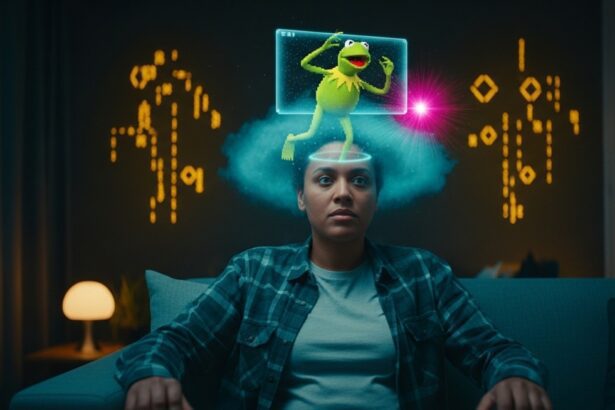
You have an important report due, a pile of laundry mountain-high, or a difficult conversation you need to have. The task looms, creating a knot of discomfort in your stomach. Instantly, your magnificent, weird brain springs into action, whispering, “Not now. I’ll feel more like it tomorrow. Future me will be so much better at this! Future me is a superhero!” You convince yourself that a more capable, energized version of yourself will magically appear to tackle the unpleasantness, while you, present you, can just scroll, snack, or stare at the ceiling. You knowingly delay, despite the looming deadlines and negative consequences. Your brain is convinced it’s protecting you from discomfort, but often, it’s just creating more stress and a never-ending cycle of avoidance. “This task, it is very annoying! My brain says ‘future me will do it!’ Very nice, but future me is very angry!
Welcome, fellow traveler, to the delightfully unhinged, universally experienced realm of the ‘I’ll Do It Later’ Brain, a potent manifestation of the Psychology of Procrastination, particularly its roots in emotional regulation and the present bias (or hyperbolic discounting). It’s the glorious absurdity of your mind’s tendency to knowingly delay tasks despite negative consequences, often because the discomfort, fear of failure, or sheer unpleasantness of the task in the present moment feels worse than the abstract anxiety of future consequences. You’re essentially borrowing happiness from your future self, who will inevitably have to pay the emotional debt. Is it just laziness? A peculiar form of self-sabotage? Or is your beautiful brain simply doing its very nice, very efficient (though profoundly self-defeating) job of avoiding immediate discomfort and seeking instant gratification? At Psyness.com, we take a “very nice!” look at this pervasive mental quirk, proving that understanding why your mind loves procrastination doesn’t have to be boring – it can be a riot.
Your Brain’s Comfort Seeker | The Present Bias Trap
Why does your mind so readily choose immediate comfort over future benefit, even when it knows better? It’s a fascinating testament to your magnificent brain’s wiring for instant gratification, its aversion to discomfort, and its peculiar relationship with time.
The Architect | The Pain Averter & Pleasure Prioritizer
Your brain, bless its tirelessly comfort-seeking heart, is fundamentally wired to move towards pleasure and away from pain. When a task evokes negative emotions – boredom, anxiety, fear of failure, frustration – your brain looks for the quickest escape route. Procrastination isn’t necessarily about laziness; it’s often a sophisticated (and ultimately ineffective) emotional regulation strategy.
- Emotional Regulation: This is the core mechanism. Procrastination is often a way to avoid or regulate negative emotions associated with a task. The task itself might be boring, difficult, or anxiety-inducing. Delaying it provides immediate, albeit temporary, relief from these uncomfortable feelings. “This report, it makes my brain feel very stressed! My brain says ‘scroll Instagram instead!’ Very nice, I feel very happy now, but later, very bad!”
- Present Bias (Hyperbolic Discounting): Your brain tends to value immediate rewards (like relaxation, distraction, or a snack) much more highly than future rewards (like completing the task, avoiding stress, or achieving a goal). The further away a reward or consequence is, the less value your brain assigns to it. A small, immediate pleasure outweighs a larger, distant benefit.
- Fear of Failure/Success: Procrastination can stem from a fear of not performing well, or even a fear of success and the increased expectations it might bring. Delaying means you don’t have to confront these fears.
- Lack of Clear Structure/Overwhelm: Large, ambiguous tasks can feel overwhelming. Your brain, seeking simplicity, will avoid them if it doesn’t know where to start, leading to paralysis and delay.
- Misplaced Optimism about Future Self (Again!): You genuinely believe that “future you” will be more motivated, more skilled, or have more time. This is a comforting delusion that allows present you to offload the burden.
- Perfectionism: The desire for a perfect outcome can be paralyzing. If you can’t start perfectly, your brain might decide not to start at all, or to delay until you feel “ready” (which often never comes).
- Lack of Intrinsic Motivation: If a task isn’t inherently interesting or rewarding, your brain will struggle to engage with it, making it easier to postpone.
The paradox? Your brain’s admirable drive to seek comfort and avoid pain, while essential for well-being, can become a self-defeating trap when applied to tasks that require sustained effort, leading to chronic stress, missed opportunities, and a diminished sense of accomplishment. Your brain’s “comfort seeker” is magnificent, but gloriously unhinged in its present bias trap.
Pop Culture’s Last-Minute Heroes & Deadline Scrambles | Our Shared Delay Tactics
From sitcom characters pulling all-nighters to finish projects, to movies romanticizing the “tortured artist” who only creates under immense pressure, to the endless online memes about the “procrastination station” and the “deadline monster,” pop culture constantly reflects and often normalizes our universal struggle with procrastination. We see the humor, the stress, and the bizarre logic of delaying the inevitable.

The glorious absurdity? We know the consequences, we feel the anxiety, yet our brains still whisper, “Later.” It’s a shared, delightful madness where our future selves are constantly being saddled with the burdens of our present comfort. Your inner Borat might have a very important task and declare, “This task, it is very hard! My brain says ‘I will do it tomorrow!’ Very nice, but tomorrow, my brain says ‘yesterday was very stupid!'”
How to Outsmart Your Future Self (Very Nice! And Truly Liberating!)
Understanding that your brain’s ‘I’ll Do It Later!’ tendency (Procrastination) is a natural, powerful cognitive bias is the first step to liberation. It’s not about becoming a productivity robot; it’s about learning to work with your magnificent, weird brain to manage discomfort, break down tasks, and create systems that make starting (and finishing!) easier, freeing you from the cycle of delay.
Here’s how to nudge your brain towards more proactive, “very nice!” action:
- Acknowledge the Discomfort, Then Act Anyway: When you feel the urge to procrastinate, acknowledge the negative emotion. “My brain feels very bad about this task! Very nice, it is normal.” Then, commit to just a tiny, immediate action. “I will do just five minutes!”
- The “Five-Minute Rule”: Commit to working on an avoided task for just five minutes. Often, the hardest part is starting. Once you’re engaged, your brain’s resistance decreases, and you might continue for much longer. “Five minutes is very easy! My brain says ‘okay!’ Very nice, then I do more!”
- “Future Self” Empathy (The “Kindness” Method): Instead of offloading to a mythical superhero, actively think about your future self. What would make their life easier? How can you be kind to them now? “Future me will be very tired. I will do small part now. Very nice, future me will say ‘thank you!'”
- Break Down Tasks (The “Tiny Steps” Method): Large, daunting tasks trigger overwhelm. Break them into the smallest possible, actionable steps. Instead of “Write report,” think “Open document,” “Write title,” “Write one sentence.”
- Focus on the “Next Action”: Don’t think about the entire project. Just identify the very next physical action you need to take.
- Time Blocking & Pre-Commitment: Schedule specific times for difficult tasks and commit to them. Tell someone else your plan for accountability.
- “Temptation Bundling”: Pair a dreaded task with an activity you enjoy. Only allow yourself to listen to your favorite podcast while doing laundry, or watch a show while exercising.
- Reward Yourself (Immediately!): For completing small steps or overcoming initial resistance, give yourself a small, immediate reward. This counteracts the present bias by making the “now” more appealing.
- Identify Your Triggers: Pay attention to when and why you procrastinate. Is it always a certain type of task? A certain time of day? Understanding your patterns helps you intervene.
The ‘I’ll Do It Later!’ Brain is a truly special window into our complex psychology, a reminder that our minds, while magnificent, are also prone to delightful (and frustrating) forms of self-deception. Knowing this doesn’t make you lazy; it makes you self-aware, wonderfully weird, and very nice! Embrace your inner strategist, understand your brain’s comfort-seeking quirks, and prove that you can outsmart your future self, reclaiming your present and achieving your goals.
// Protocol · Next Transmission
The glitch is the signal. — Psyness Protocol