“The mind is its own place, and in itself can make a heaven of hell, a hell of heaven.”
John Milton
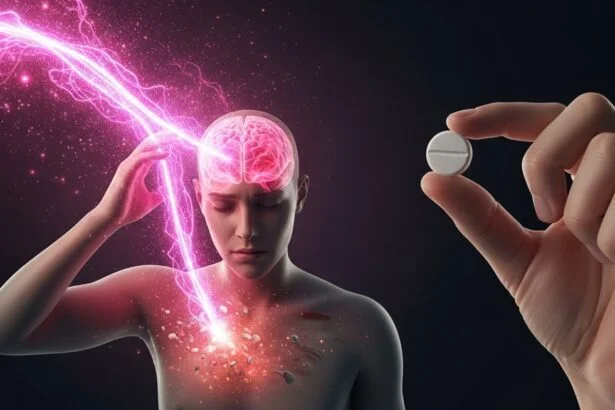
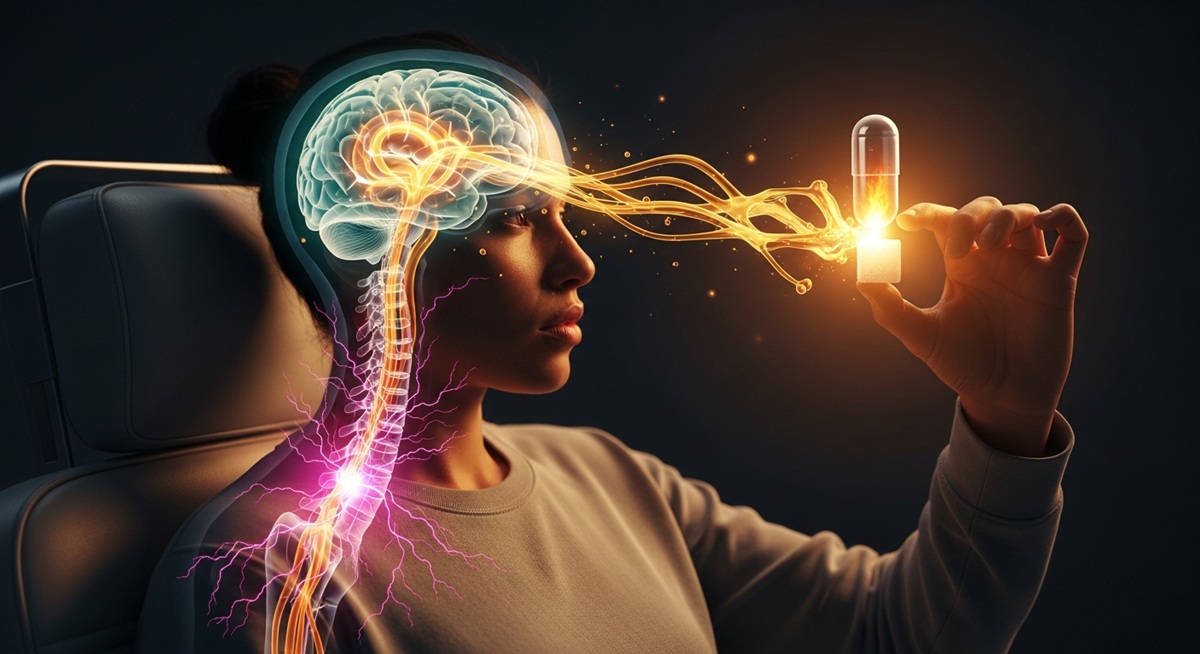
The Placebo Effect is a beneficial effect, produced by a placebo drug or treatment, that cannot be attributed to the properties of the placebo itself, and must therefore be due to the patient’s belief in that treatment. The ‘Belief Engine’ Brain translates psychological expectation into biological reality. The very nice fix is the Open-Label Hack, using conscious rituals to trigger the brain’s own internal pharmacy for self-healing.
Neuroscience explains this through: the release of endogenous opioids and dopamine in response to the expectation of reward or relief.
You are the patient, the doctor, and the pharmacy.
Madness Meter: 🌀🌀🌀 Biological Alchemy (The transformation of a sugar pill into a real painkiller by thought alone.)
The Placebo Effect is one of the most inconvenient truths in medicine. For centuries, doctors dismissed it as “fake” or “imaginary.” Modern brain scanning has proven them wrong. When a person takes a placebo, a sugar pill, thinking it’s a painkiller, their brain lights up in the exact same regions as if they’d taken the real drug.
This creates the ‘Belief Engine’ Brain, a mind that doesn’t always wait for external chemistry. It creates its own. When you expect relief, the brain releases endorphins, its natural painkillers, along with dopamine. The pill is just the permission slip your brain needs to unlock its own chemical cabinet.
The Nocebo Effect is the evil twin. If you believe a procedure will hurt, or that something harmless is making you sick, your brain releases cortisol and substance P, real pain transmitters, creating real physical symptoms from a phantom cause.
S³ – Story • Stakes • Surprise
Story | The Placebo Effect’s Knee Surgery
The Study: in a famous orthopedic study, patients with severe knee pain were divided into three groups.
- Group A: underwent surgery with damaged cartilage removed.
- Group B: underwent surgery with the knee joint flushed out.
- Group C (Placebo): received incisions made to look like surgery, but nothing was done inside the knee.
The Result: two years later, Group C, the fake surgery, reported the same level of pain relief and improved walking ability as the groups that had the actual surgery.
The Mechanism: the elaborate ritual, the hospital gown, the anesthesia, the scars, the confident surgeon, created a massive expectation of healing. The brain accepted this “theater of medicine” as a signal to reduce inflammation and pain perception. The ritual was the medicine.
Stakes | What the ‘Belief Engine’ Brain Costs
The unchecked power of belief has real consequences:
The Price Tag Bias. People enjoy wine more when they think it cost $100 than when they think it cost $10, and get more pain relief from a branded aspirin than a generic one. The brain conflates cost with efficacy, and pays a real belief tax for it.
Voodoo Death. In extreme cases of the Nocebo Effect, people who believe they’ve been cursed, or who receive a fatal misdiagnosis, can decline sharply from the sheer physiological stress of the belief itself. The mind can shut the body down if the narrative is convincing enough.
Wellness Scams. The wellness industry relies heavily on placebo. Crystals, detox teas, and magnetic bracelets often “work” solely because the user believes they will. The relief can be real, but the wallet drain is unnecessary once the actual source, you, is understood.
Surprise | The Open-Label Hack
The fix isn’t more belief. It’s learning to get the cure without needing the lie.
The Cure: institute the ‘Open-Label Hack’ protocol:
- The Discovery. Research out of Harvard by Ted Kaptchuk and colleagues shows placebos can still work even when the patient is told it’s a placebo, as long as someone explains why it works.
- Create a Ritual. Pick a harmless trigger: a specific tea, a small object, a breathing pattern.
- Assign the Function. Consciously tell yourself, “When I drink this tea, I focus.”
- Repeat It. Do it every time you work. Eventually the taste of the tea alone will trigger the dopamine release that focus runs on. That’s a conscious placebo, hacking your own conditioning on purpose.
A² – Apply • Amplify
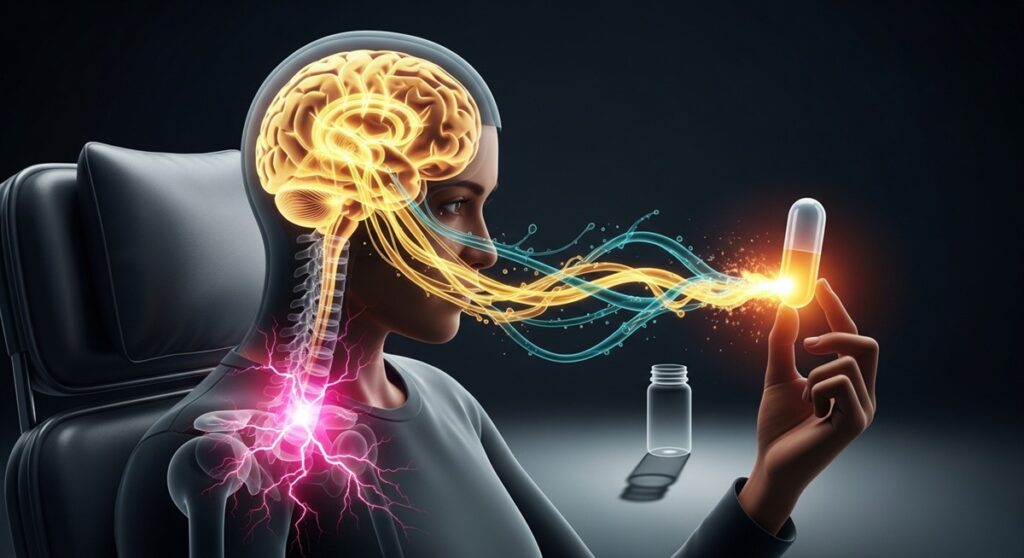
The magic isn’t in the pill. The magic is in the permission.
The Neuroscience Bits
- Endogenous Opioids: painkillers produced naturally by the body. Placebos trigger their release, and naloxone, a drug that blocks opioids, also blocks the placebo effect, which is part of why researchers treat the effect as chemical, not just psychological.
- Classical Conditioning: Pavlov’s dogs salivated at the bell. A person relaxes at the sight of a familiar pill bottle for the same underlying reason.
Applying Anti-Nocebo Architecture
Adopt these rules to protect your biology from the effect’s darker twin:
- The Side-Effect Shield. Stay informed, but avoid obsessively reading a medication’s full side-effect list. Reading “may cause nausea” measurably increases the odds of actually feeling nauseated. Focus on the intended cure instead.
- The Environment-as-Drug Rule. A clean desk, good lighting, and a familiar work playlist aren’t just decoration. They’re the theater that signals your brain to release its own focus chemicals. Curate the theater on purpose.
- The Positive-Prognosis Frame. When a friend is sick, skip “that sounds terrible” for “you’re strong, you’ll beat this.” The words help set an expectation of recovery, which creates a real biological tailwind for healing.
FAQ
Q | Is the Placebo Effect just “thinking positive”? A | No. It’s a specific neurobiological event involving the suppression of pain signals as far down as the spinal cord. It’s hardware, not just software.
Q | Can I placebo myself into being rich? A | No. The Placebo Effect works on subjective experiences the brain regulates directly, pain, mood, energy, nausea. It can’t fix a broken bone or change a bank balance.
Q | Why do doctors find it so frustrating? A | Because it complicates the science. In drug trials, the “fake” pill often improves 30 to 40 percent of people, which makes it genuinely hard to prove the real drug is doing anything extra.
Citations & Caveats
- Source 1: Beecher, H.K. (1955). The Powerful Placebo. Journal of the American Medical Association. (The landmark paper that first quantified the effect.)
- Source 2: Kaptchuk, T.J., et al. (2010). Placebos Without Deception: A Randomized Controlled Trial in Irritable Bowel Syndrome. PLOS ONE. (The study proving open-label placebos can still work.)
Disclaimer: This article discusses the Placebo Effect as documented in medical and psychological research, not a claim that belief alone can replace real medical care. For real medical issues, see a doctor, though a positive attitude genuinely does help.
Part of this site’s ongoing look at how belief reshapes biology. For more on the mind’s role in physical healing, see The ‘It’s All In Your Head!’ Brain. For expectation working outward on other people instead of inward on your own body, see The ‘Mind Over Reality’ Brain.
// Protocol · Next Transmission
The glitch is the signal. — Psyness Protocol