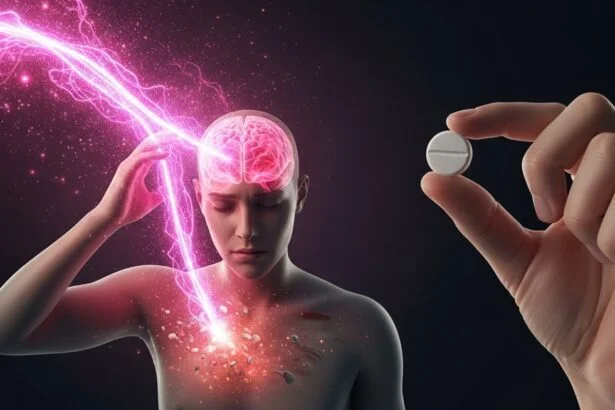
You hear about a friend getting into a minor accident, or a colleague facing a sudden job loss, or a news report about a widespread health issue. Your magnificent, weird brain processes the information, perhaps feels a pang of sympathy, but then quickly concludes | “That’s sad for them, but it won’t happen to me.” You might skip wearing a helmet, delay saving for retirement, or ignore health warnings, convinced that you’re somehow immune to the misfortunes that befall others. Your brain is a master of selective immunity, believing bad things are for someone else’s story. “Bad things, they are for other people! My life is very good! Very nice, my brain is very optimistic!
Welcome, fellow traveler, to the delightfully unhinged, universally experienced realm of Optimism Bias (also known as Unrealistic Optimism or Illusion of Invulnerability). It’s the glorious absurdity of your mind’s tendency to overestimate the likelihood of experiencing positive events and underestimate the likelihood of experiencing negative events. Is it denial? A peculiar form of self-delusion? Or is your beautiful brain simply doing its very nice, very efficient (though sometimes dangerously misleading) job of protecting your well-being and motivating you to pursue goals? At Psyness.com, we take a “very nice!” look at this pervasive mental quirk, proving that understanding why you think you’re immune doesn’t have to be boring – it can be a riot.
Your Brain’s Rose-Tinted Glasses | The Future’s Bright Projection
Why does your mind so readily assume a brighter future for yourself, even in the face of statistical evidence to the contrary? It’s a fascinating testament to your magnificent brain’s inherent drive for positive self-regard, its emotional regulation strategies, and its unique way of processing risk.
The Architect | The Self-Protective Dreamer
Your brain, bless its tirelessly self-affirming heart, is wired to promote a sense of well-being and agency. An optimistic outlook is generally beneficial for mental health and motivation, and the ‘It Won’t Happen to Me’ Brain is a byproduct of this positive drive.
- Self-Enhancement Bias: This is the overarching tendency to view oneself in an overly positive light. Optimism bias is a specific manifestation, where you believe you are more likely to experience good outcomes and less likely to experience bad outcomes than the average person. “I am very special! Good things happen to me more! Bad things happen to me less! Very nice, my life is very lucky!”
- Emotional Regulation: Believing that negative events won’t happen to you is a powerful emotional coping mechanism. It reduces anxiety, stress, and fear, allowing you to function and pursue goals without being constantly overwhelmed by potential threats.
- Perceived Control: Your brain often overestimates your control over future events. If you believe you have a strong influence on outcomes, you might feel less vulnerable to external misfortunes, even when many factors are beyond your control.
- Fuzzy Future Visualization: When imagining negative future events, your brain often struggles to visualize them vividly or personally. They remain abstract and distant, making it easier to dismiss their likelihood for you. Positive events, conversely, are often imagined with greater clarity and personal connection.
- Discounting External Information: Your brain might process general statistics or warnings about risks, but then subtly discount them when applying them to your personal situation. “Yes, 1 in 100 people get X, but I am not that 1!”
- Motivational Benefits (The Double-Edged Sword): A healthy dose of optimism bias can be highly motivating. It encourages us to take risks, pursue ambitious goals, and persist in the face of challenges. However, excessive optimism can lead to under-preparation and reckless behavior.
The paradox? While a degree of optimism is essential for mental well-being and motivation, an unrealistic optimism bias can lead to poor risk assessment, under-preparation for challenges, and a failure to take necessary precautions. Your brain’s “rose-tinted glasses” are magnificent, but gloriously unhinged in their selective vision.
Pop Culture’s Invincible Heroes | Our Shared Immunity Fantasies
From action movie protagonists who defy all odds, to characters in romantic comedies who believe they’ll find their perfect soulmate despite all evidence, to the pervasive belief in “luck” or “destiny” in everyday narratives, pop culture constantly reflects and reinforces our optimism bias. We love stories where the hero is immune to the common pitfalls, making it a deeply ingrained part of our collective psyche.
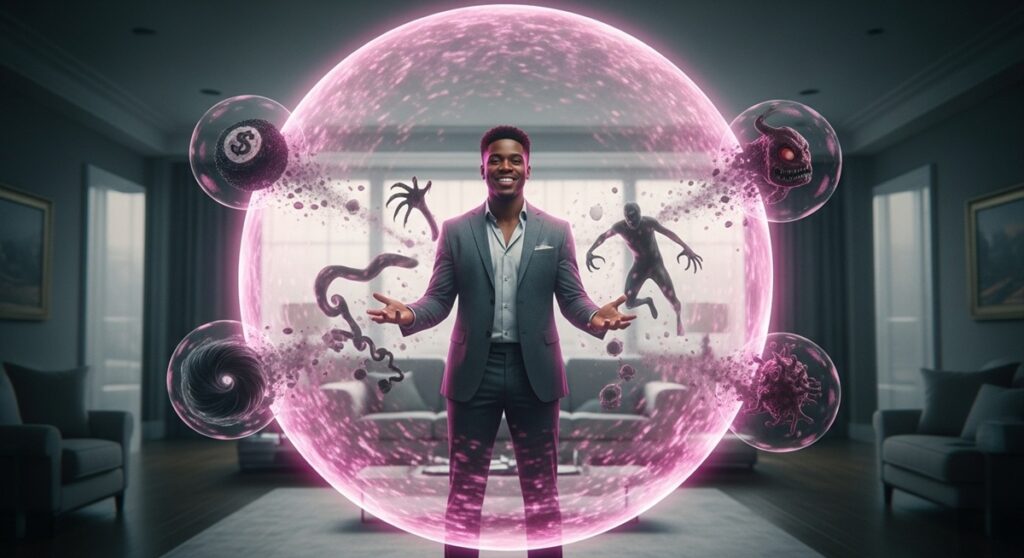
The glorious absurdity? We all secretly believe we’re the exception to the rule, the one who will beat the odds, even when logic suggests otherwise. It’s a shared, delightful madness where our personal narratives often feel like a protected bubble. Your inner Borat might face a risk and declare, “This bad thing, it is for other people! My brain is very strong, it will protect me! Very nice, I am very lucky!”
Being Realistically Hopeful (Very Nice! And Truly Empowering!)
Understanding that your brain’s ‘It Won’t Happen to Me’ tendency (Optimism Bias) is a natural, powerful cognitive bias is the first step to liberation. It’s not about becoming a pessimist; it’s about learning to work with your magnificent, weird brain to balance healthy optimism with realistic risk assessment, fostering both well-being and wise decision-making.
Here’s how to nudge your brain towards more balanced, “very nice!” future perception:
- Acknowledge the Bias: When you feel an overly optimistic thought about a risk, pause. “My brain is being very optimistic! Very nice, but I know this bias exists.” This creates a mental distance from the automatic thought.
- Practice “Defensive Pessimism” (Strategically!): For important tasks or risks, briefly imagine the worst-case scenario. How would you cope? What steps could you take to prevent it? This isn’t about dwelling on negativity, but about proactive problem-solving. “What if bad thing happens? My brain will make plan! Very nice to be ready!”
- Focus on the Process, Not Just the Outcome: Instead of just hoping for a good outcome, focus on the actions you can take to increase the likelihood of that good outcome and mitigate potential negative ones. This shifts from passive optimism to active agency.
- Seek Objective Data (The “Reality Check”): For significant decisions (e.g., health, finance), actively seek out reliable statistics and information, even if it challenges your optimistic assumptions. Understand the actual probabilities.
- Consider the “Average Person”: When assessing your own risk, try to imagine yourself as the “average person” in that situation. What would be the typical outcome for them? This helps to counteract the self-enhancement bias.
- Practice “Pre-Mortems” (Again!): Before a major project or decision, imagine it has already failed. Then, work backward to identify all the reasons why it might have failed. This helps uncover potential pitfalls that optimism might hide.
- Cultivate “Wise Hope”: This is a form of hope that acknowledges challenges and difficulties but maintains a belief in the possibility of positive outcomes through effort and resilience. It’s not blind optimism, but grounded determination.
The ‘It Won’t Happen to Me’ Brain is a truly special window into our complex psychology, a reminder that our minds, while magnificent, are also prone to delightful self-protective illusions. Knowing this doesn’t make you a doomsayer; it makes you self-aware, wonderfully weird, and very nice! Embrace your inner dreamer, understand your brain’s optimistic wiring, and prove that you can navigate life’s uncertainties with both hope and wisdom.