You’re walking down the street and catch a faint scent of a specific perfume, and suddenly, you’re not there anymore. You’re back at a high school dance, feeling the strange, joyous ache of first love. Or you hear an obscure song from the 90s, and you’re instantly in your childhood bedroom, feeling the texture of the carpet and the sun on your face. That weird, beautiful sensation of being pulled into the past is not just a random memory—it’s nostalgia, your magnificent brain’s very nice, beautifully unhinged time machine. “I remember this! My brain says ‘very nice, let us remember this song, and all the feelings!’ Very nice, now I feel a little sad and a little happy!”
Welcome, fellow traveler, to the delightfully unhinged, universally experienced realm of the ‘Lost in the Past’ Brain, a potent manifestation of modern memory. It’s the glorious absurdity of your mind choosing to live in a beautifully edited highlight reel, rather than the present moment. This pervasive psychological and emotional quirk highlights a fascinating battle between your brain’s cold, hard reality and its quiet, very nice need for comforting emotional warmth, linking it to memory, identity, and the simple act of connection. Is it just longing for the good old days? A peculiar form of delusion? Or is your beautiful brain simply doing its very nice, very efficient (though profoundly challenging) job of protecting you from the harsh present by getting lost in the past? At Psyness.com, we take a “very nice!” look at this pervasive mental quirk, proving that understanding this psychological phenomenon doesn’t have to be boring – it can be a riot. The feeling of nostalgia is like a Star Trek holodeck malfunction, where your brain’s internal programming overrides its current reality with a beautifully rendered, but often flawed, simulation of the past. It’s a wonderfully weird glitch in your system.
Your Brain’s Memory Mixer | The Unreliable DJ
Why does your mind sometimes trick you into believing that the past was a golden era, even when you know it had its problems? It’s a fascinating testament to your magnificent brain’s ancient wiring for survival, its powerful need to manage identity, and its complex system for evaluating your own mental state.
The Architect | The Memory and Emotion Machine
Your brain, bless its tirelessly observant heart, is primarily wired to make sense of your life and give you a coherent sense of self. Nostalgia is a modern-day manifestation of this ancient survival instinct. The constant demands of modern life and the pressures of technology have supercharged this process, giving your brain an endless stream of triggers to remember the past.

- Autobiographical Memory (The Brain’s Personal Story): This is a core mechanism. Your brain has a natural tendency to create a personal narrative. By experiencing nostalgia, you are actively re-engaging with that narrative, solidifying your identity and reminding you of who you are and where you came from.
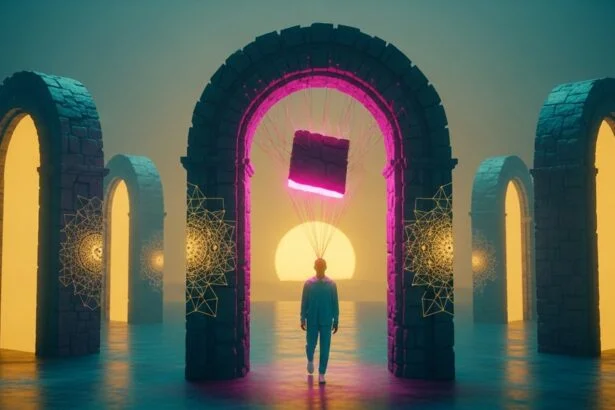
- The “Positive Bias” & “Emotion-Enhanced Memory”: Your brain has a powerful positive bias when it comes to memories, meaning it tends to filter out the bad parts and focus on the good ones. This is why nostalgia feels so warm and comforting. Your brain is not remembering the past perfectly; it is remembering a curated, idealized version of it. This is where your fuchsia-pink of an idealized past comes into play. The emotion of the moment (e.g., happiness, love) enhances the memory, making it more vivid and easier to recall later on.
- The Brain’s Reward System (Dopamine Loop): Your brain’s reward system is the perfect target for this phenomenon. When you experience nostalgia, your brain releases dopamine, a feel-good neurotransmitter. This creates a powerful, positive loop that encourages you to seek out more of these moments, building a healthy habit. This is a very nice, healthy addiction.
- Primal Need for Social Connection: Your brain has a primal, ancient need for stability and social connection. When you feel lonely or isolated, your brain often triggers nostalgic memories of being with others, which can give you a sense of warmth and belonging. This is where your deep teal/cyan logical processing and feelings of comfort work in tandem.
- Overwhelm and Uncertainty: In a world of infinite options and constant change, your brain can feel overwhelmed. Nostalgia is a symptom of this overwhelm, as your brain seeks refuge in a time that feels simpler and more certain. This is where your cheerful mustard yellow of a comforting emotional blanket comes into play.
The paradox? Your brain’s admirable drive for comfort and its efficiency in giving you a coherent sense of self, while essential for survival, can lead to a draining, anxiety-filled cycle of longing because it prioritizes a curated past over objective reality. Your brain’s “memory mixer” is magnificent, but gloriously unhinged in its ability to create a false sense of perfection.
How to Use Your ‘Time Machine’ (Very Nice! And Truly Liberating!)
Understanding that your brain’s ‘Lost in the Past’ tendency is a natural, powerful psychological process is the first step to liberation. It’s not about becoming a hermit; it’s about learning to work with your magnificent, weird brain to challenge its narrative, fostering greater self-awareness, gratitude, and long-term well-being. Here’s how to nudge your brain towards a more intentional, “very nice!” understanding:
- The Intentional Trigger: Instead of letting nostalgia happen to you, try to trigger it deliberately. Look at old photos, listen to a specific playlist, or watch a favorite movie from your past. This allows you to control the experience.
- The Gratitude Loop: When a nostalgic memory arises, don’t just get lost in it. Instead, take a moment to be grateful for it. Acknowledge the good feelings and the good times you had. This shifts the focus from longing for the past to appreciating the present.
- The Present Connection: Use nostalgia as a bridge to the present. If you remember a good time with an old friend, send them a message. If you remember a hobby you loved, start it again. This connects the past to your current reality.
- The Reality Check: When you start to feel a sense of longing for the past, remind yourself that the memory is an edited version of events. Acknowledge that the past had its own challenges and that the present has its own unique joys.
- The Storytelling Moment: Share your nostalgic memories with others. Storytelling is a powerful way to process emotions and connect with others.
The ‘Lost in the Past’ Brain is a truly special window into our complex psychology, a reminder that our minds, while magnificent, are also prone to delightful (and draining) forms of chaos. Knowing this doesn’t make you a failure; it makes you self-aware, wonderfully weird, and very nice! Embrace your inner narrator, understand your brain’s natural ability to comfort itself, and prove that you can find peace in the past and the present, living a life of greater presence, gratitude, and authenticity.