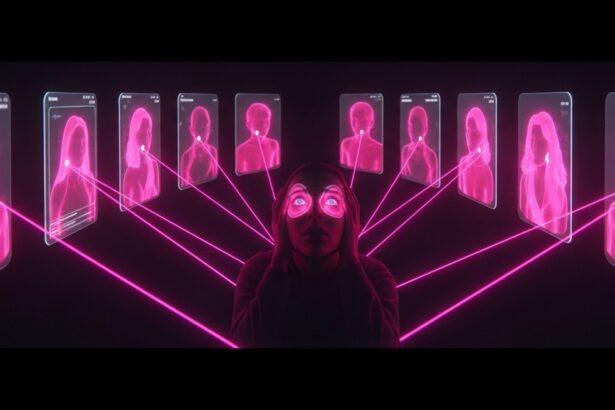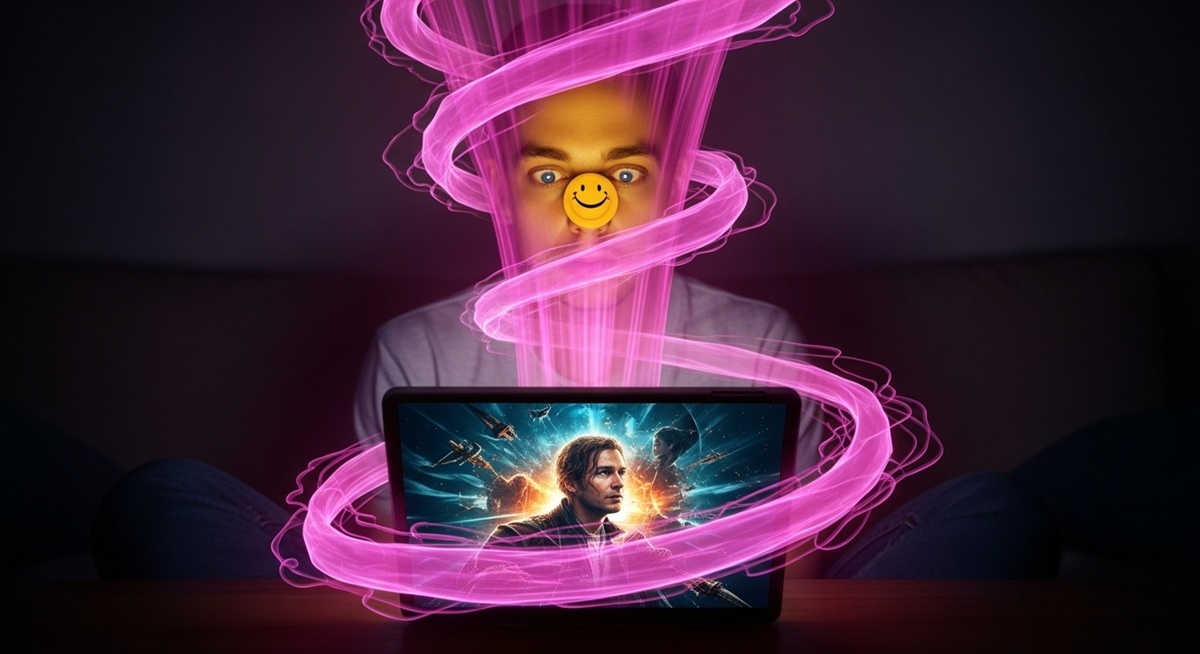
You settle onto the couch after a long day, planning to watch just one episode of that new show everyone’s talking about. The credits roll, and then, before you can even register it, the next episode is already starting. “Just one more,” your magnificent, weird brain whispers, “it’s a cliffhanger!” Four hours and an entire season later, you’re bleary-eyed, surrounded by snack wrappers, and wondering where your evening went. You swore you’d stop, but your mind just couldn’t resist the gravitational pull of the next narrative hook. Your brain is convinced it’s enjoying a relaxing evening, but often, it’s just chasing a fleeting dopamine hit, leaving you feeling drained and slightly guilty. “One episode, it is very good! Ten episodes, it is very bad for sleep! Very nice, but now my eyes are very tired!”
Welcome, fellow traveler, to the delightfully unhinged, universally experienced realm of the ‘I’ll Just Watch One More!’ Brain, a potent manifestation of the Psychology of Binge-Watching and the Reward Prediction Error system gone wild. It’s the glorious absurdity of your mind’s tendency to get utterly hooked on continuous consumption of episodic content – whether it’s a gripping TV series, an endless YouTube rabbit hole, or a podcast saga. Is it just laziness? A peculiar lack of self-control? Or is your beautiful brain simply doing its very nice, very efficient (though sometimes profoundly time-consuming) job of seeking narrative completion, anticipating rewards, and getting caught in a perfectly designed psychological trap? At Psyness.com, we take a “very nice!” look at this pervasive mental quirk, proving that understanding why binge-watching is so addictive doesn’t have to be boring – it can be a riot.
Your Brain’s Narrative Vacuum | The Endless Story Loop
Why does your mind so readily succumb to the siren song of “next episode,” even when you have other plans or desperately need sleep? It’s a fascinating testament to your magnificent brain’s love for stories, its anticipation of reward, and the clever design of modern streaming platforms.
The Architect | The Story Seeker & Dopamine Chaser
Your brain, bless its tirelessly curious heart, is fundamentally wired for narrative. Stories provide meaning, help us understand the world, and offer a powerful form of escape and connection. Streaming platforms are masters at exploiting this innate drive, creating an environment where your brain can’t easily disengage.
- The Reward Prediction Error: This is the core mechanism. Your brain loves to predict rewards. When you watch a show, your brain constantly anticipates what will happen next. A cliffhanger creates a strong “reward prediction error” – your brain expects resolution, but it’s withheld. This generates a powerful urge to continue watching to resolve the tension and get that satisfying hit of dopamine when the prediction is finally met. “This story, it is very good! My brain says ‘what happens next?!’ Very nice, but then it is very hard to stop!”
- Dopamine Loop: Each resolved plot point, each satisfying character development, each laugh or tear, provides a small burst of dopamine, the brain’s “feel-good” neurotransmitter. This creates a positive feedback loop, reinforcing the behavior. The anticipation of the next hit keeps you glued.
- Narrative Transportation: When you’re deeply immersed in a story, your brain enters a state of “narrative transportation.” You feel like you’re part of the world, experiencing the characters’ emotions. Breaking this state feels jarring and unpleasant, making it harder to stop.
- Decision Fatigue (Again!): Modern streaming services eliminate the “decision point” between episodes. There’s no need to choose what to watch next; it just plays automatically. This bypasses your brain’s inhibitory control, especially when your willpower is already low at the end of the day.
- Zeigarnik Effect (Again!): Your brain hates unfinished business. Cliffhangers and unresolved plotlines create mental tension that your brain desperately wants to resolve. This “unclosed loop” keeps the show at the forefront of your mind, urging you to continue.
- Social Connection/FOMO (Again!): In a world where everyone is discussing the latest shows, binge-watching can also be driven by a desire to keep up, to be part of the cultural conversation, and to avoid feeling left out.
The paradox? Your brain’s natural love for stories and its pursuit of satisfying resolutions can be exploited by clever content design, leading to excessive consumption that ultimately leaves you feeling less refreshed and more fatigued. Your brain’s “narrative vacuum” is magnificent, but gloriously unhinged in its endless story loop.
Pop Culture’s Couch Potatoes | Our Shared Screen Obsession
From sitcoms making light of characters lost in a TV series, to documentaries exploring the psychological impact of streaming culture, to countless memes about the struggle to “just watch one episode,” pop culture constantly reflects and often satirizes our universal struggle with binge-watching. We see the humor, the relatability, and the quiet battle against the “next episode” button.

The glorious absurdity? We know we have responsibilities, yet our brains are so easily captivated by fictional worlds that real life sometimes takes a backseat. It’s a shared, delightful madness where our evenings are often dictated by algorithms. Your inner Borat might start a show and declare, “This show, it is very good! My brain says ‘more, more!’ Very nice, but now sun is coming up!”
How to Reclaim Your Evenings (Very Nice! And Truly Liberating!)
Understanding that your brain’s ‘I’ll Just Watch One More!’ tendency is a natural, powerful cognitive drive is the first step to liberation. It’s not about abandoning your favorite shows; it’s about learning to work with your magnificent, weird brain to set boundaries, break the automatic cycle, and reclaim your time for other enriching activities.
Here’s how to nudge your brain towards more intentional, “very nice!” viewing habits:
- Set a Hard Stop (The “Episode Limit” Method): Before you even press play, decide on a strict number of episodes you will watch (e.g., “I will watch exactly two episodes”). Use a timer or an alarm to signal the end. “My brain wants more, but I say ‘no, no!’ Two episodes only! Very nice, I am boss of remote!”
- Disable Autoplay (The “Decision Point” Reinstatement): Go into your streaming service settings and turn off the “autoplay next episode” feature. This forces your brain to make a conscious decision after each episode, giving your inhibitory control a chance to kick in.
- Create a “Transition Activity”: After your planned viewing, have a small, immediate activity ready that breaks the spell. This could be getting up to make tea, brushing your teeth, or doing a quick chore. This creates a mental and physical shift.
- Watch with a Purpose: Instead of mindless consumption, engage actively. Discuss episodes with friends, analyze plot points, or take notes. This shifts your brain from passive consumption to active engagement, which can be less conducive to endless binging.
- Schedule Other Activities: Fill your evenings with other appealing plans – exercise, reading, hobbies, social calls. When you have something else to look forward to, binge-watching becomes less of a default.
- Move the Device: If you’re watching on a portable device, physically move it away from your immediate reach after your set time. The slight effort required to retrieve it can be enough of a barrier.
- Identify Your Triggers: Pay attention to when and why you tend to binge. Is it stress? Boredom? Escapism? Addressing the underlying trigger can reduce the urge.
- Embrace the “Unfinished Loop”: Consciously practice ending on a cliffhanger and sitting with the mild discomfort. Your brain will learn that the world won’t end if you don’t immediately resolve every plot point.
The ‘I’ll Just Watch One More!’ Brain is a truly special window into our complex psychology, a reminder that our minds, while magnificent, are also prone to delightful narrative obsessions. Knowing this doesn’t make you weak; it makes you self-aware, wonderfully weird, and very nice! Embrace your inner time-master, understand your brain’s love for stories, and prove that you can enjoy your entertainment without letting it consume your evenings.