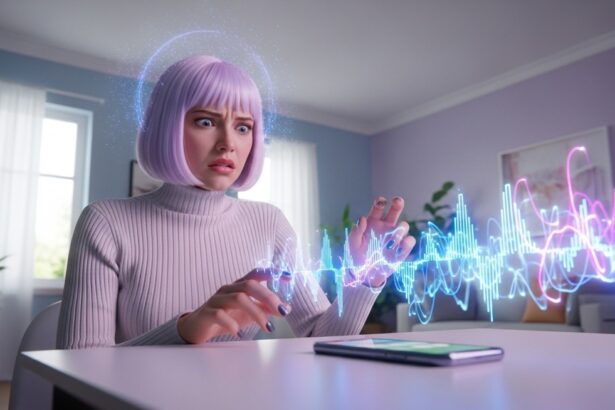
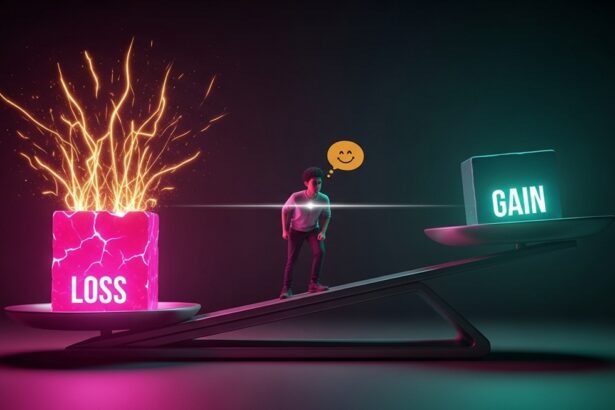
The Placebo Effect is the phenomenon in which a fake or inactive treatment produces a real improvement in a patient’s symptoms, purely because the patient expects it to work. The ‘Magic Pill’ Brain is proof of how belief can heal, trusting the ritual of treatment as much as the treatment itself. The very nice fix is the Ritual Dose, learning to deliberately raise the dose of care and attention around any real treatment to get more out of it. For the biological mechanism behind that trust, see The ‘Belief Engine’ Brain.
Neuroscience explains this through: the brain treating a confident, caring delivery of “treatment” as real evidence that relief is coming, and releasing real chemistry to match.
The ritual is not decoration. The ritual is the dose.
Madness Meter: 🎭🎭🎭 The Ritual Effect (A warmer, longer, more careful sham treatment outperforms a colder, rushed one, even though neither contains a single active ingredient.)
Most people assume the placebo effect means “nothing happened,” a polite way of saying the treatment was fake and so was the improvement. Brain scans disagree. Something happened. It just didn’t come from the pill.
This creates the ‘Magic Pill’ Brain, a mind that reads the whole performance of care, the appointment, the packaging, the attention, as part of the treatment itself. Take the performance away and the same treatment can work less well, even when the active ingredient never changed.
S³ – Story • Stakes • Surprise
Story | How Belief Can Heal in a Three-Arm Trial
The Study: a clinical trial for irritable bowel syndrome split patients into three groups.
- Group A (Waitlist): received no treatment at all, just monitoring.
- Group B (Sham Only): received fake acupuncture from a practitioner who said almost nothing.
- Group C (Sham Plus Warmth): received the identical fake acupuncture, but from a practitioner who spent extra time asking questions, listening, and radiating warmth and confidence.
The Result: symptom relief rose with every added layer of ritual. Group A improved least, Group B improved more, and Group C, the warm, unhurried, fake treatment, improved the most, nearly matching the effect size of some real IBS medications.
The Mechanism: the treatment in Group B and Group C was identical, sham acupuncture. The only difference was the amount of care layered around it. That difference alone was enough to change how much relief people actually felt.
Stakes | What the ‘Magic Pill’ Brain Costs
Trusting the ritual as much as the medicine has real costs when the ritual goes missing or gets exploited:
The Rushed-Visit Tax. A seven-minute appointment with a distracted doctor delivers measurably less relief than a longer, attentive one, even when both prescribe the exact same medication. Modern healthcare’s time pressure quietly taxes its own treatments.
The More-Is-More Illusion. Bigger pills, more frequent doses, and injections instead of tablets all produce a stronger placebo response than a small, infrequent pill, regardless of the actual ingredient. Pricier-looking treatments get rated as more effective before anyone has taken them. The brain reads elaborate as effective.
The Diagnosis Spiral. How a diagnosis gets delivered, grim and rushed versus calm and hopeful, can shape how a patient actually recovers. The words are free. The physiological difference they can produce is not.
Surprise | The Ritual Dose
The fix isn’t faking more warmth from other people. It’s learning to prescribe yourself a bigger dose of ritual on purpose.
The Cure: install the ‘Ritual Dose’ protocol around any treatment or habit that matters:
- Slow the Handoff. Whether it’s a doctor, a trainer, or your own morning routine, spend an extra minute on the “before” part, the questions, the setup, the intention, rather than rushing straight to the pill or the task.
- Name the Expected Outcome. Say out loud, or write down, exactly what you expect to improve. Vague hope produces a vague response. Specific expectation produces a specific one.
- Repeat the Same Ritual Every Time. Same cup, same chair, same five minutes of quiet before the task. Consistency is what turns a one-off placebo into a reliable, conditioned response.
- Track the Real Result. Keep a plain record of what actually improved. The Ritual Dose amplifies a genuine treatment, it should never replace tracking whether something is truly working.
A² – Apply • Amplify

You are not gullible. You are dose-sensitive to care.
The Neuroscience Bits
- Dopamine on Demand: PET scans of Parkinson’s patients given a placebo injection show a real, measurable release of dopamine in the brain’s striatum, the same chemical their actual medication targets.
- The Anterior Cingulate Cortex: this region lights up when the brain expects pain relief, and its activity level tracks closely with how much relief a person goes on to report.
Applying Ritual-Dose Architecture
Adopt these rules to get more out of every real treatment or habit:
- The Warmth Multiplier. Ask your doctor, trainer, or therapist questions instead of nodding along. Engaged, unhurried exchanges consistently outperform rushed ones for the same treatment.
- The Sixty-Second Visualization. Before starting any treatment, workout, or new habit, spend one minute picturing the specific improvement you expect. This primes the exact neurochemistry that makes the improvement more likely.
- The Full-Ritual Commitment. Half-hearted habits get half-hearted results. Commit to the whole sequence, same time, same place, same steps, since the completeness of the ritual predicts the size of the real effect.
FAQ
Q | If I understand how belief can heal, does that mean my pain wasn’t real? A | No. The relief involves real dopamine and real changes in pain-processing brain regions. The trigger was inert. The relief was not.
Q | Is it ethical for doctors to use placebos? A | Increasingly, yes, in a specific form. Open-label placebos, where the patient is told upfront it’s inert, still produce real relief in conditions like IBS and back pain, so some clinics now offer disclosed placebos as an honest add-on.
Q | Why does everyone respond differently to the same fake treatment? A | Genetics play a real role. Variations in genes that regulate dopamine processing, along with traits like optimism, predict who gets a strong placebo response and who barely gets one at all.
Citations & Caveats
- Source 1: Kaptchuk, T.J., et al. (2008). Components of Placebo Effect: Randomised Controlled Trial in Patients with Irritable Bowel Syndrome. BMJ. (The three-arm trial showing warmth and ritual measurably increase relief.)
- Source 2: de la Fuente-Fernández, R., et al. (2001). Expectation and Dopamine Release: Mechanism of the Placebo Effect in Parkinson’s Disease. Science. (The PET-scan study confirming real dopamine release from an inert treatment.)
Disclaimer: This article discusses the placebo effect as documented in clinical research, not a claim that ritual or belief can replace real diagnosis and treatment. For real medical issues, see a doctor, though a warmer, more attentive one may genuinely help you feel better faster.
Part of this site’s ongoing look at how belief reshapes biology. For the neuroscience of expectation working from the inside, see The ‘Belief Engine’ Brain. For the original, foundational take on self-healing, see The ‘It’s All In Your Head!’ Brain.
// Protocol · Next Transmission
The glitch is the signal. — Psyness Protocol