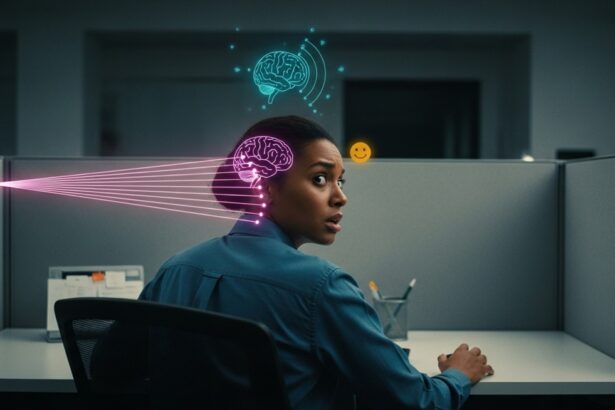
The Nocebo Effect is the Placebo Effect running in reverse: a genuine expectation of harm can produce a genuine physical symptom, even when nothing capable of causing it was ever given. The ‘Evil Twin’ Brain is what fires the moment a warning label does more work than the substance it’s warning about. The very nice fix is a short habit called the Baseline Check, noting how you already feel before you ever read what you’re supposed to feel next.
Psychology explains this through: conditioned expectation and anxiety-driven symptom amplification, the same belief-shaped physiology that makes the Placebo Effect work, just aimed at harm instead of relief.
Placebo heals what you expect to be treated. Nocebo hurts what you expect to be threatened.
Madness Meter: 💊💊💊 The Warning Label Paradox (In real drug trials, patients taking the sugar-pill placebo regularly report the exact side effects listed on the real drug’s package insert, just from reading the list.)
Most people assume side effects only come from the chemical itself, not from having read about it first. Ask someone if a warning label could make them feel a symptom that nothing in the pill actually caused, and most find the idea absurd. The data from inside real clinical trials says otherwise, and says it at a scale too large to write off as coincidence.
This creates the ‘Evil Twin’ Brain, a mind that can manufacture a real, measurable symptom purely because it was told one might be coming.
S³ – Story • Stakes • Surprise

Story | The Statin Trial That Un-blinded Itself
The Setup: a major cardiovascular trial called ASCOT-LLA randomly assigned thousands of patients to take either a real statin or an identical-looking placebo, with neither patients nor doctors told which was which, the standard double-blind design. Years later, the same trial ran a non-blind extension phase, where everyone continuing on the statin now knew exactly what they were taking.
The Result: during the blinded phase, muscle-related complaints, the statin’s best-known reported side effect, showed up at almost identical rates in the statin group and the placebo group. Once the trial moved into the phase where patients knew which pill was real, that gap opened wide: patients knowingly taking the statin reported muscle-related symptoms at a meaningfully higher rate than those who weren’t, on the same drug, at the same dose, in the same patient population.
The Reading: nothing about the pill changed between the two phases. What changed was whether the person swallowing it knew what it was supposed to do to them. That single piece of knowledge was enough to move a real, self-reported physical symptom across thousands of people.
The Mechanism: expecting pain or discomfort activates the same anxiety and attention systems that a genuine threat would, and that activation has real physical downstream effects, muscle tension, altered pain processing, a body already primed to notice and report a sensation it was told to watch for. The pill supplies nothing. The expectation supplies the rest.
Stakes | What the Nocebo Effect Costs
A symptom that can be talked into existing has consequences well outside a drug trial:
The Informed Consent Cost. Reading a long list of possible side effects before starting a real medication measurably raises the odds of reporting those same symptoms afterward, separate from anything the drug itself is doing. The list meant to protect a patient can end up authoring part of their experience.
The Diagnosis Label Cost. In a well known study, workers whose blood pressure readings got them newly labeled as having hypertension went on to report more symptoms and take more sick days than workers with the same readings who weren’t given the label, even though nothing about their actual blood pressure had changed. The label did work the numbers alone never did, turning a routine reading into a reason to feel unwell.
The Signal Sensitivity Cost. People who believe they’re sensitive to wireless signals reliably report headaches and fatigue during a sham exposure with the equipment switched off, and report no symptoms during a real exposure they were told was off. Controlled studies have repeatedly found their symptoms track what they were told, not what they were actually near.
Surprise | The Baseline Check
The fix isn’t refusing to read warnings. It’s making sure you have something to compare them against before you do.
The Cure: run the Baseline Check before anything that comes with a list of things to feel:
- Log How You Already Feel: before starting a new medication, treatment, or reading a diagnosis, write down two or three ways your body already feels right now. That’s the record a new symptom actually needs to beat.
- Read Risk as a Frequency, Not a Forecast: “may cause X in 8% of patients” describes a population. It is not a personal prediction about you specifically.
- Delay the Search: resist looking up symptoms in the first two days after starting something new. The search itself hands your expectation a longer list to draw from.
- Compare Before You Conclude: if something shows up, check it against your baseline from step one before deciding it’s new, rather than assuming the warning label predicted it correctly.
A² – Apply • Amplify

A warning is information. It shouldn’t also be a prescription.
The Psychology Bits
- The Placebo Effect (Related): the nocebo effect’s better-known sibling, covered in full in The ‘Belief Engine’ Brain, where belief produces relief instead of harm.
- Defensive Disclosure: a clinician listing every rare possible side effect to protect against liability can unintentionally hand a patient the exact script their body goes on to follow.
Applying Evil-Twin Architecture
Adopt these rules anywhere a warning, a diagnosis, or a risk statistic reaches you before a symptom does:
- The Context Frame: when a risk gets described to you, ask for it in both directions, the share of people who don’t experience it, not just the share who do.
- The Second Source Check: if a symptom appears right after reading about it, check your own history for that same sensation under unrelated circumstances before assuming it’s new.
- The Question-First Habit: before adopting a scary label or warning as settled fact, ask what it would actually take to confirm it, rather than accepting it on the strength of the warning alone.
FAQ
Q | Is the nocebo effect just me imagining things? A | No. Studies have documented real, measurable physiological changes behind nocebo responses, including genuine shifts in pain processing and stress hormones. The symptom is real. The cause is expectation rather than the substance itself.
Q | Should doctors just stop telling patients about side effects? A | No. Informed consent is both an ethical and legal requirement, and withholding real risk information isn’t the fix. The fix is framing, presenting the odds both ways, rather than leading with a long list of worst cases.
Q | Does this mean I should ignore new symptoms after starting a treatment? A | No. Anything persistent, severe, or clearly abnormal should always go to a doctor. The Nocebo Effect explains a pattern across large groups of people. It doesn’t rule out a genuine reaction in any individual case.
Q | Can the nocebo effect happen without any warning at all? A | Yes. Past experience does the same work a warning label does. Someone who once had a bad reaction to a treatment can go on to expect, and then report, similar symptoms from an unrelated one, with no new information involved beyond their own memory.
Citations & Caveats
- Source 1: Gupta, A., Thompson, D., Whitehouse, A., et al. (2017). Adverse events associated with unblinded, but not with blinded, statin therapy in the Anglo-Scandinavian Cardiac Outcomes Trial-Lipid-Lowering Arm (ASCOT-LLA). The Lancet.
- Source 2: Rubin, G.J., Das Munshi, J., & Wessely, S. (2005). Electromagnetic hypersensitivity: a systematic review of provocation studies. Psychosomatic Medicine.
Disclaimer: This article discusses documented psychological and physiological research on the nocebo effect. It isn’t medical advice, and it isn’t a reason to dismiss a real symptom. See a doctor for anything persistent, severe, or new. The point is knowing which parts of a reaction came from the substance and which came from the warning.
Part of this site’s ongoing look at belief and the body. For the version where expectation heals instead of harms, see The ‘Belief Engine’ Brain.
// Protocol · Next Transmission
The glitch is the signal. — Psyness Protocol